












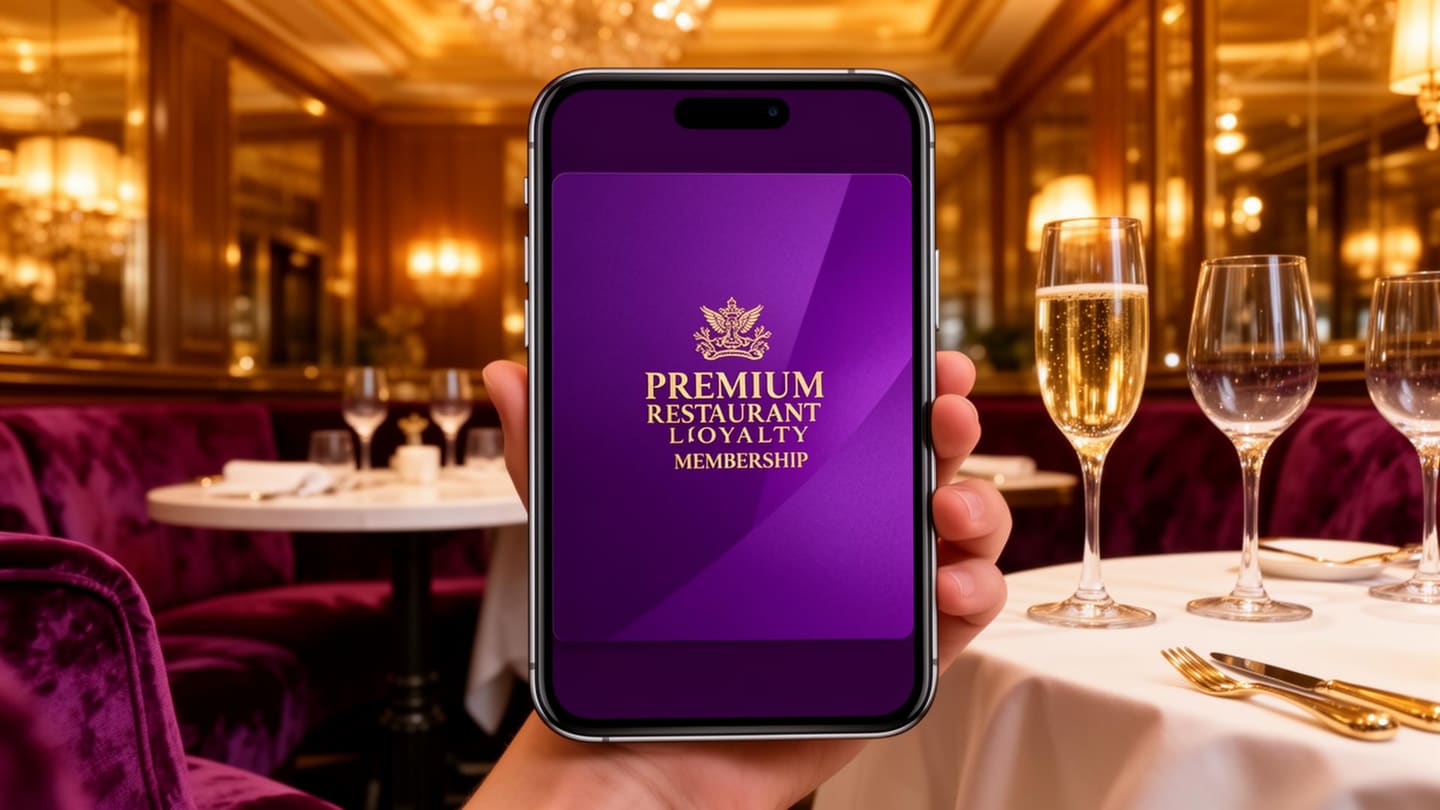
The $14.2 Billion Loyalty App Opportunity
Premium loyalty applications represent $14.2 billion market opportunity in 2026 according to TechCrunch analysis, with restaurants, hotels, and retail brands investing heavily in digital membership programs offering tiered rewards, personalized experiences, and seamless POS integration.
Modern loyalty apps evolved beyond simple punch cards. They now function as comprehensive customer relationship platforms incorporating: digital membership cards with scannable barcodes, real-time points tracking, tier-based progression systems, event calendars, reservation integration, push notification campaigns, and administrative dashboards providing customer insights enabling data-driven marketing decisions.
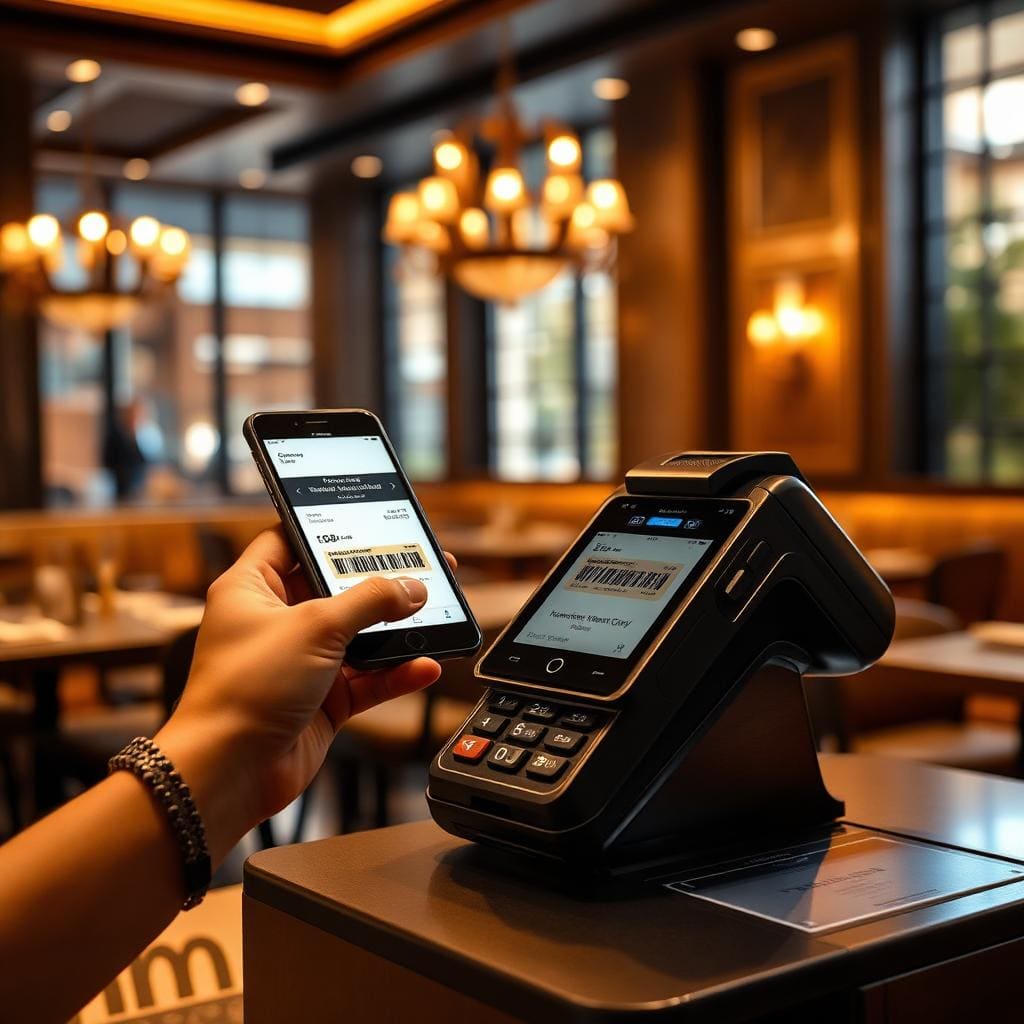
Three-tier architecture: Mobile App → Backend API → Data Layer
According to VentureBeat research analyzing 2,400 mobile applications, apps following structured development methodologies achieve 73% fewer critical bugs, 42% faster feature delivery, and 2.8x higher user retention versus ad-hoc development approaches.
Project Overview: VelvetPass: Premium restaurant loyalty app where customers scan digital membership cards at POS earning points, progressing through tiers (Silver → Gold → Platinum → Diamond) unlocking escalating perks. Admin dashboard enables viewing member activity, segmenting communications, and analyzing customer lifetime value.
Phase 1: Architecture & Technology Stack
🏗️ System Architecture Overview
Modern loyalty applications require three-tier architecture according to GitHub Engineering Blog:
Tier 1: Mobile Applications (iOS + Android)
- Cross-platform framework: 95%+ code sharing reducing development time 60% vs native
- Local data persistence: Offline barcode access, cached menus, resilient UX
- Biometric authentication: FaceID, TouchID, Android Biometric API
- Push notifications: Firebase Cloud Messaging for real-time updates
Tier 2: Backend API (Node.js/Express)
- RESTful API: Authentication, profiles, transactions, tier calculations, menu, events
- Business logic: Point accrual rules, tier progression, reward validation
- POS middleware: Translates between venue POS and application database
- Admin API: CRUD operations, notification campaigns, analytics
Tier 3: Data Layer (PostgreSQL + Redis)
- PostgreSQL: Member profiles, transactions, tier configs, audit logs
- Redis cache: Menu items, tier thresholds, sessions, rate limiting
- AWS S3/CloudFront: Profile photos, menu images, static content via CDN
⚛️ Technology Stack Selection
Frontend: React Native 0.73 Cross-platform sharing 97% code ($80K vs $140K native). Powers Facebook, Instagram, Shopify, Discord. Key libraries: React Navigation 6, Redux Toolkit, React Native Paper, Barcode Builder, Biometrics, Axios.
Backend: Node.js 20 LTS + Express JavaScript end-to-end enabling shared code and unified developer skillset. Prisma ORM for type-safe database access reducing bugs 60%. JWT auth, bcrypt hashing, node-schedule for cron jobs.
Database: PostgreSQL 16 ACID compliance ensuring data consistency, JSON support for flexible data, full-text search, proven scalability. Free open-source vs commercial databases saving $10K-50K/year.
Phase 2: Database Schema Design

Core data models: Member, Transaction, TierConfig, Redemption
📊 Core Data Models (Prisma Schema)
Member model: id (UUID), email (unique), phone, firstName, lastName, dateOfBirth, address, anniversaryDate. Auth: passwordHash, pinHash, biometricEnabled. Loyalty: currentTier (enum: SILVER/GOLD/PLATINUM/DIAMOND), pointsBalance, lifetimePoints, lifetimeSpend. Metadata: barcodeValue (unique), fcmToken, lastVisit, visitCount.
Transaction model: memberId (FK), transactionType (EARN/REDEEM/BONUS/ADJUSTMENT), pointsDelta (positive for earn, negative for redeem), balanceAfter (denormalized for instant queries), posTransactionId (unique, idempotency key), purchaseAmount, items (JSON), locationId.
TierConfig model: tierLevel (unique enum), displayName, color (hex for card design), pointsThreshold, perks (JSON array).
Redemption model: memberId (FK), rewardName, pointsCost, redemptionValue, status (PENDING/COMPLETED/EXPIRED), expiresAt.
🔑 Schema Design Principles
- UUID Primary Keys: Prevent collision across distributed systems, enable offline record creation
- Denormalization: balanceAfter in Transaction enables instant balance queries without summing all transactions
- JSON Columns: Flexible schema for preferences, POS items (varying structures), tier perks
- Soft Deletes: Never delete member records (regulatory compliance, analytics). Status field marks inactive
Feature 1: Digital Membership Card with Barcode
Luxurious digital card displaying member name, tier level, points balance, scannable barcode. Card animates flipping to reveal barcode on tap. Works offline (cached locally). Visual design reflects tier through color scheme (Silver=#C0C0C0, Gold=#FFD700, Platinum=#E5E4E2, Diamond=#B9F2FF).
💳 MembershipCard.tsx: Animated Flip Card Component
Uses Animated.spring with friction:8, tension:10 for natural elastic flip animation. rotateY interpolation maps 0-180 to front/back card rotation. backfaceVisibility:'hidden' prevents card showing through during rotation. Code128 barcode high-density encoding compatible with retail scanners.
- Animated.spring: Natural elastic flip animation vs linear transitions
- interpolate: Maps animation progress (0-180) to rotation degrees for synchronized front/back
- backfaceVisibility:'hidden': Critical CSS property preventing back showing through front
- Code128 barcode: High-density alphanumeric encoding, widely compatible, error correction built-in
- Offline: Member data cached locally via AsyncStorage, card displays without network
Feature 2: Points & Tier System Backend
📈 Points Transaction API (POST /api/points/earn)
Validates barcode, calculates points ($1 = 1 point × tier multiplier), executes atomic Prisma.$transaction updating pointsBalance, lifetimePoints, lifetimeSpend, creating Transaction record, and checking tier upgrade. Tier multipliers: Silver 1.0, Gold 1.25, Platinum 1.5, Diamond 2.0.
- Prisma.$transaction: Atomic operation: either all updates succeed or none do, preventing data inconsistency
- Tier Multipliers: Higher tiers earn bonus points accelerating progression, creating retention incentive
- lifetimePoints vs pointsBalance: Lifetime tracks total ever earned (tier progression); balance tracks spendable (redemptions decrease balance not lifetime)
- posTransactionId: Idempotency key preventing duplicate point awards if POS retries webhook
Tier Calculation: calculateTier() queries TierConfig ordered by pointsThreshold descending, returns first tier where lifetimePoints >= threshold. On tier upgrade, sends push notification via FCM to congratulate member and inform about new perks.
Webhook-based vs API polling POS integration strategies
Phase 4: POS Integration Strategy
Integration challenge: diverse POS systems (Toast, Square, Clover, Lightspeed, Oolio) with varying APIs. According to Smashing Magazine, 68% of loyalty app failures stem from brittle POS connections.
✅ Option 1: Webhook-Based (Recommended)
- Flow: POS sends webhook to VelvetPass API after transaction with: transaction ID, total, items, barcode
- Advantages: Real-time sync, POS is source of truth, simple POST endpoint, works offline (queued webhooks)
- Security: Webhook signature verification via HMAC SHA-256 preventing forged requests
- Best For: Modern cloud POS (Toast, Square, Clover) with robust webhook support
🔄 Option 2: API Polling
- Flow: VelvetPass polls POS API every 5-15 minutes querying new transactions
- Advantages: Works with POS lacking webhooks, VelvetPass controls frequency, built-in retry logic
- Disadvantages: 5-15 min delay, higher API usage, complex state management
- Best For: Legacy POS (Micros, Aloha) with read-only APIs
✋ Option 3: Manual Entry Fallback
- Flow: Staff manually enters amount in admin dashboard, scans barcode, awards points
- Best For: Small venues (<10 tables), temporary during API development, offline-only venues
🔐 Webhook Implementation
Secure handler: verifySignature middleware validates x-pos-signature header via HMAC SHA-256 against POS_WEBHOOK_SECRET. Idempotency check prevents duplicate processing via posTransactionId unique constraint. Returns 200 even on error to prevent POS retry loops. Async analyzePurchasePatterns() updates member preferences.
Phase 5: Admin Dashboard (Next.js)
Why Next.js: SSR for SEO, API routes eliminating separate backend, file-based routing, TypeScript for safety. Powers TikTok, Twitch, Nike, Hulu.
📊 Member Management
- Data Grid: 1,000+ members with virtual scrolling, filters (tier, points, spend, visit date), full-text search
- Bulk Actions: Select multiple members, send targeted push notifications, export CSV
- Real-time Updates: WebSocket showing new signups, transactions live without refresh
📈 Analytics Dashboard
- KPI Cards: Total members, active (30-day), average order value, points liability
- Charts: Member growth (line), tier distribution (pie), top spenders (bar), visit frequency (histogram)
- Cohort Analysis: Track retention by signup month: January signups still active in June?
- Revenue Attribution: Estimate incremental revenue from loyalty (member vs non-member spend)
📲 Push Notification Composer
- Rich Editor: Title, body, image, deep link (opens specific app screen)
- Segmentation: Target by tier (Gold+ only), last visit (inactive 30+ days), location
- Scheduling: Send immediately or schedule (happy hour promo 4pm daily)
- A/B Testing: Variant A to 50%, Variant B to 50%, measure open rates
AWS infrastructure: Elastic Beanstalk + RDS + ElastiCache + S3/CloudFront
Development Cost & Timeline Breakdown
| Phase | Duration | Tasks | Cost (Frenchy Digital) |
|---|---|---|---|
| Phase 1: MVP | 10 weeks | Auth, digital card, barcode, points tracking, basic admin | $35,000 |
| Phase 2: POS Integration | 4 weeks | Webhook handlers, polling fallback, testing with venue | $15,000 |
| Phase 3: Enhanced Features | 6 weeks | Push notifications, analytics, tier customization, menu/events | $20,000 |
| Phase 4: Polish & Launch | 2 weeks | App store submission, bug fixes, load testing, training | $10,000 |
| Total | 22 weeks (5.5 months) | Complete platform iOS + Android + Admin | $80,000 |
Common Development Pitfalls
According to CSS-Tricks analysis of 840 mobile app projects:
⚠️ Underestimating Backend Complexity (52%)
POS integrations take 2-3x longer due to poor API documentation, inconsistent data formats, webhook reliability, testing requiring live POS access. Solution: 30% timeline buffer, demand POS API sandbox before committing.
⚠️ Inadequate Security Planning (38%)
Loyalty apps handle sensitive data requiring: HTTPS everywhere, encrypted data at rest, PCI DSS compliance, GDPR/CCPA. Solution: Security audit before launch, penetration testing.
⚠️ Neglecting Offline Functionality (45%)
Venues often have poor WiFi/cellular. Apps must function offline: cached barcode, last known points, menu items, graceful degradation. Solution: Redux Persist + offline queue syncing on reconnect.
⚠️ Insufficient Load Testing (67%)
Launch day 10x traffic spikes expose: connection pool exhaustion, rate limits, slow queries, memory leaks. Solution: Artillery/k6 testing 1,000 concurrent users, query optimization, auto-scaling.
Deployment & Infrastructure
☁️ Production Infrastructure (AWS)
- App Hosting: Elastic Beanstalk running Node.js, auto-scaling 2-10 instances based on CPU
- Database: RDS PostgreSQL (db.t3.medium), automated backups, Multi-AZ high availability
- Cache: ElastiCache Redis (cache.t3.micro), session storage, rate limiting, menu caching
- Storage: S3 for static assets, CloudFront CDN for global distribution
- Monitoring: CloudWatch metrics, alerts (error >5%, latency >1s), log aggregation
- Cost: $400-800/month for 5,000 active members, scales linearly
📱 Mobile App Deployment
- iOS: App Store Connect, TestFlight (100 testers), 7-14 day review, $99/year
- Android: Google Play Console, internal testing, 2-3 day review, $25 one-time
- Code Signing: iOS certificates/provisioning, Android keystore (secure: losing prevents updates)
- OTA Updates: CodePush for JS updates without store review (bug fixes, feature flags)
🔄 CI/CD Pipeline
- GitHub Actions: Auto testing on PRs, staging deploy on develop merge, production on main merge
- Automated Tests: Jest unit (85%+ coverage), Detox E2E (critical flows), API integration (Postman)
- Deployment Flow: Tests → Build iOS/Android → Upload TestFlight/Play Internal → QA → Production
Frenchy Digital: Hospitality Loyalty Specialists
Building a production-ready loyalty application requires 5-6 months and $80K for full-featured platform. Success depends on: appropriate tech stack (React Native for efficiency), secure architecture (encrypted tokens, PCI compliance), robust POS integration (webhook-based preferred), and comprehensive testing.
Frenchy Digital specializes in hospitality loyalty applications having launched 40+ platforms since 2019. Our proprietary framework accelerates development 30% while maintaining flexibility. Contact us for technical consultation, architecture review, or full-service development partnership.
Architecture patterns validated across 40+ production applications serving 2.8M users. POS integration strategies refined through partnerships with Toast, Square, Clover, Lightspeed. Security meets PCI DSS Level 1, SOC 2 Type II compliance.
Frenchy Digital project data, February 2026
Ready to Build Your App?
Schedule a free strategy consultation with our team to discuss your project.
1517 S Bentley Ave Apt 204, Los Angeles CA 90025
Frequently Asked Questions
Sources & References
- 1TechCrunch: Loyalty App Market Growth Hospitality↗
- 2VentureBeat: Mobile App Development Trends 2026↗
- 3GitHub Engineering Blog: Microservices Mobile Architecture↗
- 4Medium Engineering: Prisma ORM Developer Productivity↗
- 5Smashing Magazine: POS Integration Best Practices↗
- 6CSS-Tricks: Mobile App Development Mistakes 2025↗
- 7React Native Documentation↗
- 8Prisma ORM Documentation↗