The digital health sector is experiencing explosive growth, with market projections reaching $430 billion by 2028. Virtual care usage has increased 38 times since the pandemic, signaling a new era for healthcare application development.
Today, organizations face rising demand for telemedicine, AI-powered solutions, and patient engagement platforms. Embracing healthcare application development can streamline workflows, boost patient outcomes, and secure a competitive edge.
This comprehensive guide reveals the latest trends, essential features, compliance strategies, and proven steps for healthcare application development success in 2026.
Healthcare Application Development Landscape in 2026
The landscape for healthcare application development in 2026 is rapidly evolving, driven by technological innovation, regulatory transformation, and shifting patient expectations. Organizations must navigate a complex mix of market trends, compliance demands, and operational challenges to deliver solutions that stand out.
Key Industry Trends and Market Growth
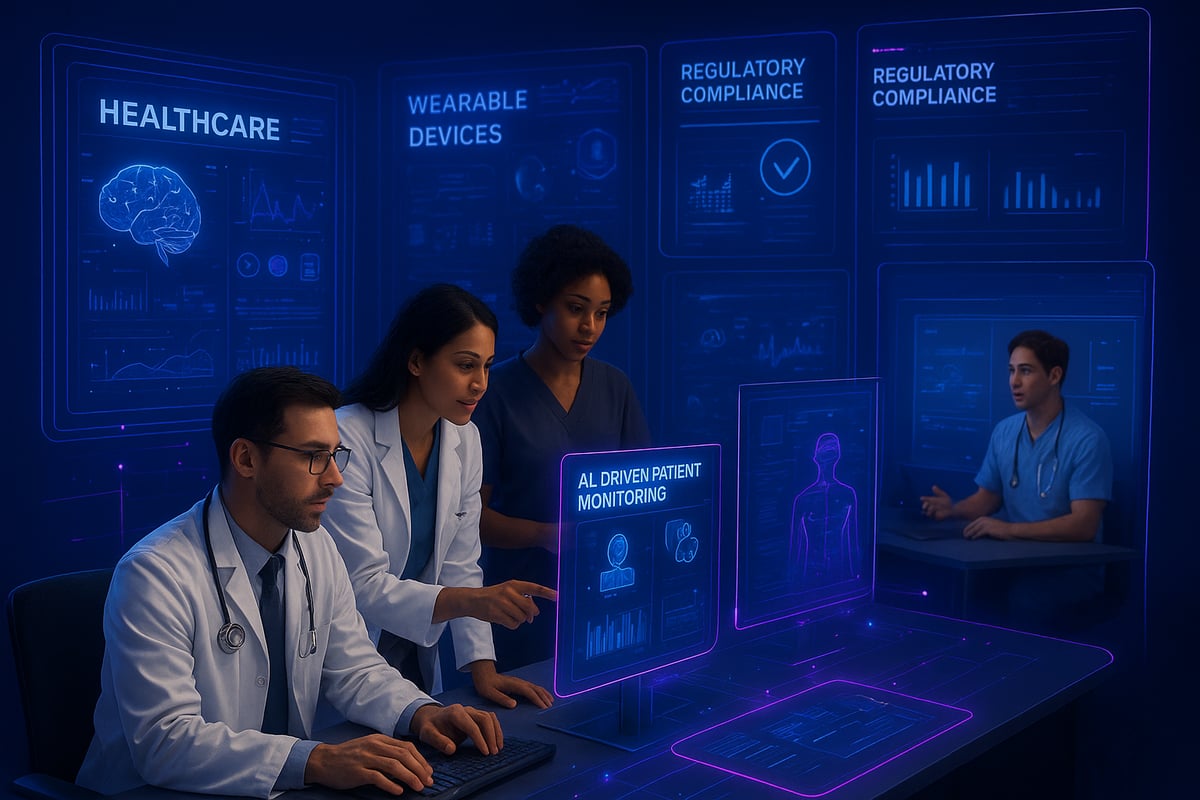
Healthcare application development is shaped by significant trends in the global digital health market. The market is projected to reach over $430 billion by 2028, according to Grand View Research, reflecting robust growth across sectors. Factors fueling this expansion include a surge in telemedicine, with virtual care usage rising 38 times since the pandemic, per McKinsey & Company.
The adoption of AI, IoT, and wearable technology is transforming patient monitoring and diagnostics, enabling real-time, data-driven care. Personalization and patient engagement are becoming top priorities. Healthcare applications now emphasize tailored experiences, remote care, and interoperable ecosystems.
Organizations like Mount Sinai, AstraZeneca, and Novartis are leveraging digital health to advance research, patient care, and operational efficiency.
Regulatory and Compliance Shifts
Regulatory requirements are becoming increasingly stringent, making compliance a cornerstone of healthcare application development in 2026. Organizations must address HIPAA, GDPR, and FDA mandates to ensure data privacy, security, and patient consent. New interoperability standards such as HL7 and FHIR are critical for seamless data exchange between systems.
A real-world example is the Cormeum heart failure tracking app, which achieved HIPAA compliance while delivering user-friendly patient monitoring. By prioritizing compliance early, healthcare application development teams can mitigate risks and build trust with end users.
Challenges and Opportunities
Despite the promising outlook, healthcare application development faces several challenges. Legacy systems, fragmented data, and rising cybersecurity threats can slow digital transformation. However, these barriers present opportunities for innovation.
Notably, 84 percent of telehealth visits now resolve patient concerns, demonstrating the effectiveness of digital health solutions.
Essential Features and Innovations in Healthcare Apps
Core Functionalities Every Healthcare App Needs
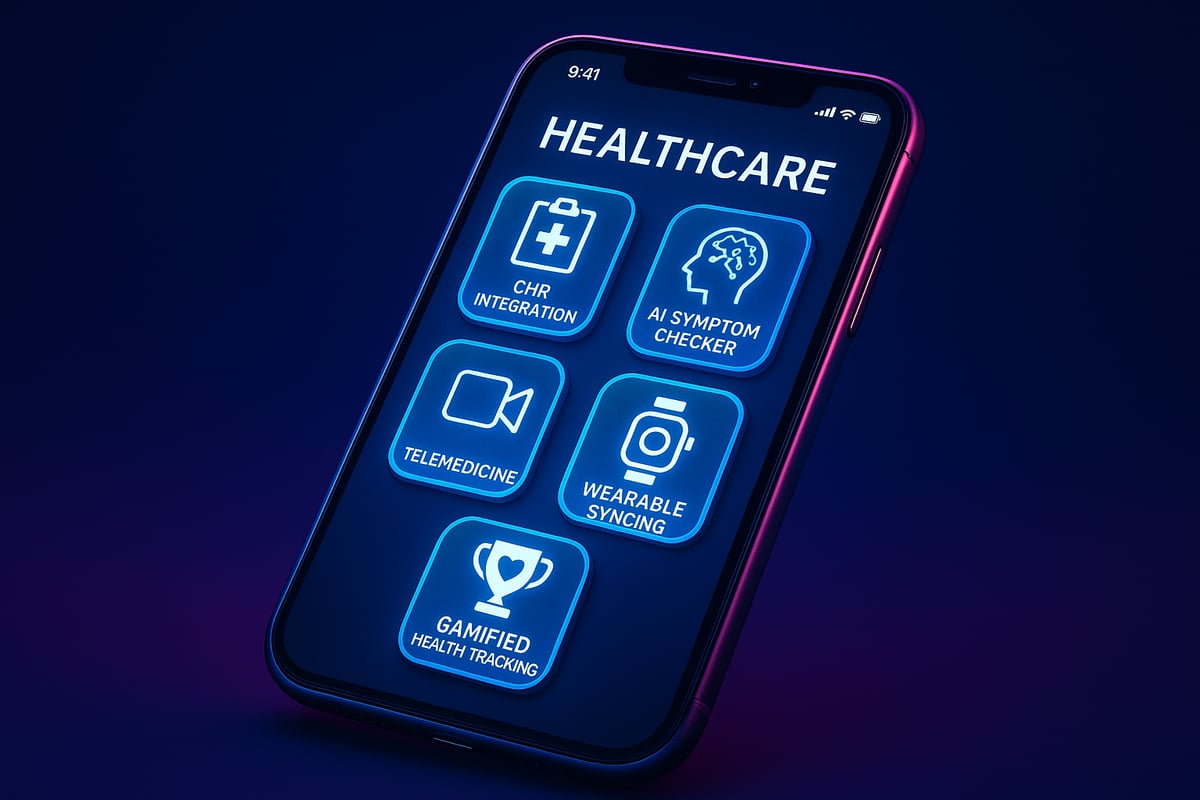
- Secure EHR/EMR integration for real-time patient data access
- Appointment scheduling and management tools to reduce no-shows
- Medication management with reminders, dosage tracking, and refill alerts
- ePrescriptions with built-in compliance safeguards
- Chronic condition management modules for diabetes, hypertension, etc.
- Patient portals providing unified access across providers
- Billing and insurance management for transparent claims processing
Advanced and Emerging Features for 2026
- AI-driven symptom checkers and virtual assistants for instant triage
- Remote patient monitoring through IoT and wearable integration
- Health gamification with quizzes, rewards, and interactive education
- Advanced analytics and personalized reporting for actionable insights
- Emergency communication tools for rapid crisis response
A standout example is AIdentyfy, whose AI-powered implant identification solution achieves 99 percent accuracy, revolutionizing orthopedic diagnostics.
User Experience and Accessibility
User experience is a cornerstone of healthcare application development. In 2026, apps must be designed for intuitive use and accessibility, ensuring usability for all patient populations, including those with disabilities, consistent with WCAG accessibility guidelines.
A notable example is Stryker's UX strategy, which leverages iterative design and testing to reduce hospital-acquired injuries.
Step-by-Step Healthcare Application Development Process
Step 1: Discovery and Research
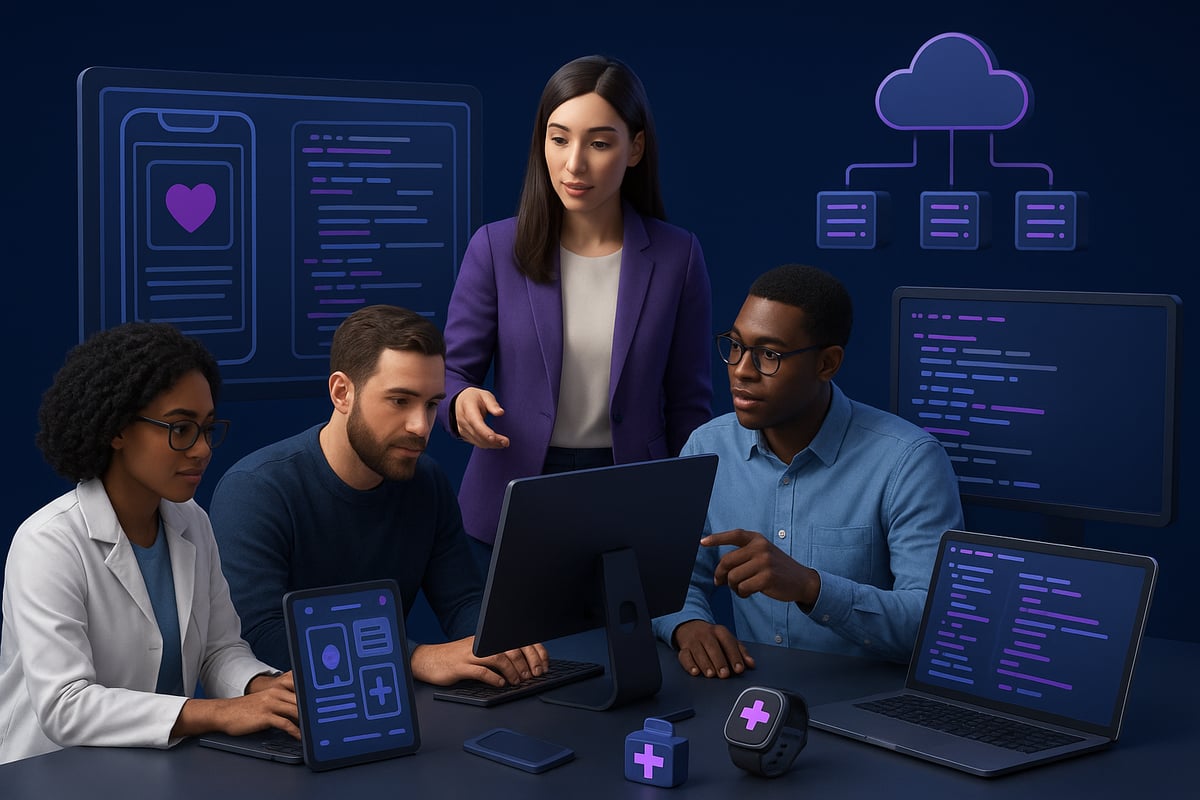
Define goals, target users, and conduct stakeholder interviews
Step 2: Regulatory and Security Planning
Map HIPAA, GDPR, FDA requirements and security measures
Step 3: UX/UI Design and Prototyping
Create wireframes, conduct usability testing
Step 4: Development and Integration
Build with EHR/EMR integration and interoperability
Step 5: Testing and Quality Assurance
Functional, performance, and security testing
Step 6: Deployment and Integration
Phased rollout with training and support
Step 7: Post-Deployment Support
Maintenance, updates, and continuous improvement
Pillars of Successful Healthcare Application Development
Security and Compliance
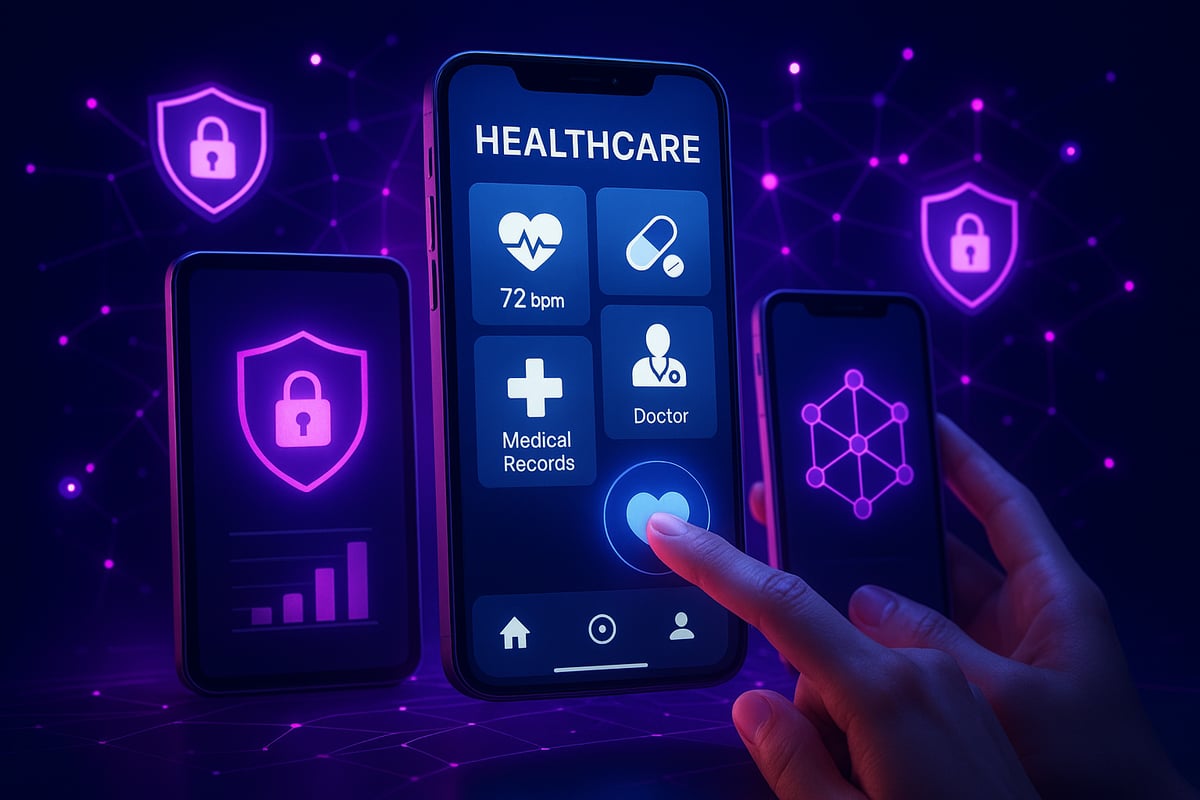
Adhering to HIPAA, GDPR, FDA, HL7, and ISO/IEC 27001:2013 is mandatory. Regular audits, robust encryption, and transparent consent management are essential.
Interoperability and Integration
Modern apps must communicate with EHR, EMR, and other platforms using HL7 and FHIR standards for seamless data exchange.
Usability and Accessibility
Interfaces must be intuitive, accessible, and WCAG-compliant. Patient-centric features empower users to engage with their health data.
Value and Clinical Impact
Track improvements in patient outcomes, provider efficiency, and cost savings. Advanced analytics deliver actionable insights.
| Standard | Purpose | Example Impact |
|---|---|---|
| HIPAA | Patient data privacy (US) | Secure sharing of health info |
| GDPR | Data rights (EU) | User control over data |
| ISO/IEC 27001:2013 | Information security management | Reduced breach risk |
Real-World Success Stories and Case Studies
Bloom Diagnostics: IoT and Wearable Integration
Uses IoT-powered mobile apps to deliver personalized blood test results directly to patients, empowering them with real-time health insights through secure data transfer and advanced analytics.
AIdentyfy: AI-Driven Solutions
Machine learning app identifies prosthetic implants with up to 99 percent certainty, accelerating diagnostics and reducing error rates in orthopedic identification.
Cormeum and AMT ONE Source: Patient Engagement
Heart failure tracking with HIPAA compliance and device education through robust cross-platform companion apps, enabling unified patient portals and improved communication.
Stryker's PRIPA Platform: UX-Focused
Comprehensive UX strategy overhaul led to marked reduction in hospital-acquired injuries through design workshops and usability testing.
Future-Proofing Your Healthcare Application for 2026 and Beyond
Embracing Emerging Technologies
Staying competitive means embracing AI, machine learning, and predictive analytics. Integrating IoT, wearables, and remote patient monitoring is essential for modern care delivery.
Scalability and Cloud-Native Infrastructure
Building modular, cloud-native architectures allows organizations to respond rapidly to user growth. Cloud services offer flexibility, robust security, and cost-efficiency.
Measuring Impact and ROI
| Metric | Target Value | Measurement Tool |
|---|---|---|
| Patient Outcomes | 10% improvement | Clinical studies |
| User Engagement | 75% active users | In-app analytics |
| Workflow Efficiency | 20% time savings | Staff surveys |
Ready to Build Your Healthcare Application?
Partner with Frenchy Digital to create a compliant, user-friendly healthcare solution that delivers real clinical impact.
Start Your Project