The problem
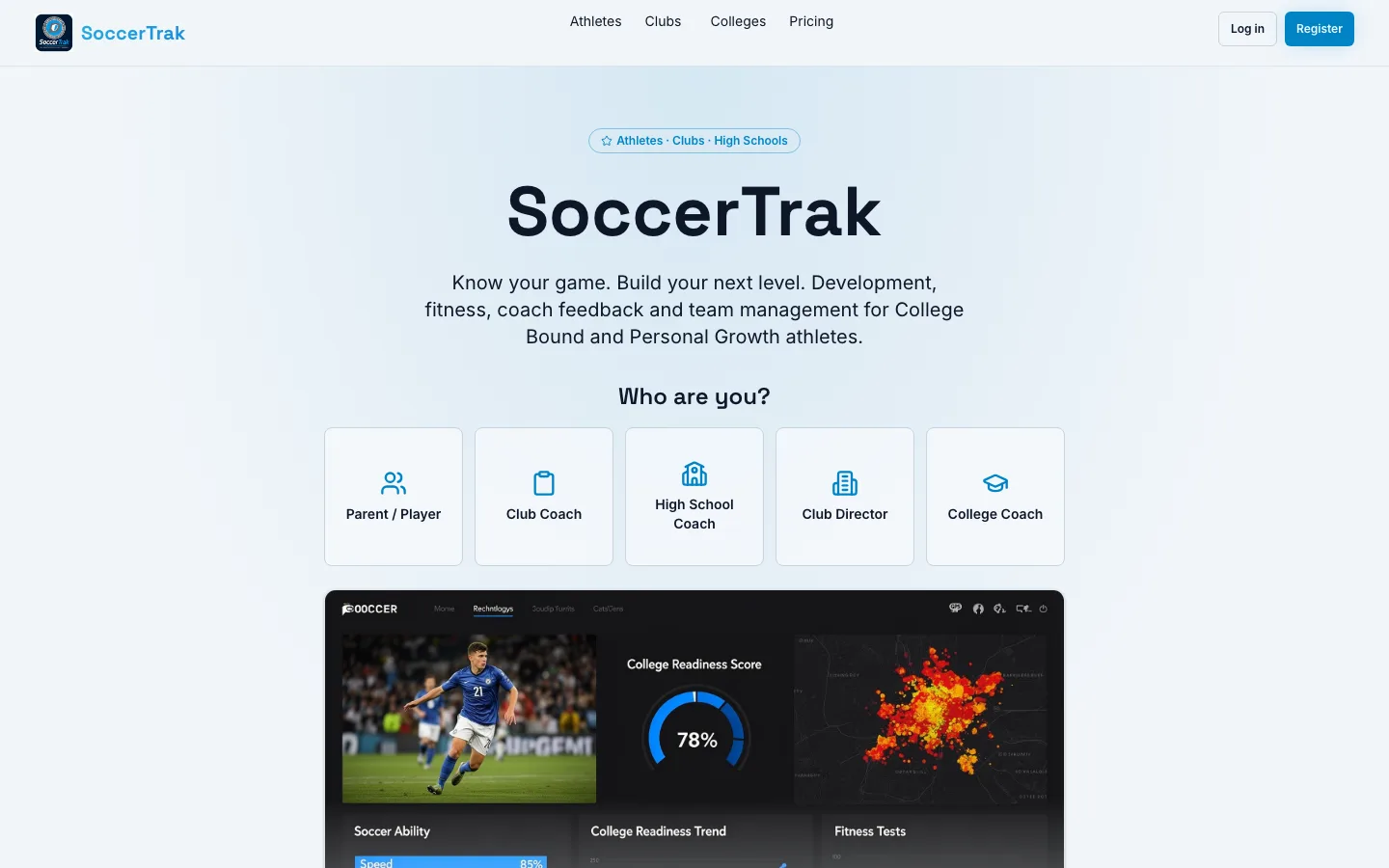
SoccerTrak serves players, parents, coaches, club directors and college coaches. It holds player profiles, fitness tests, match stats, training plans, team chat, camps and tryouts. The owner builds it himself in Lovable, and the website was live at soccertrak.io.
Players and coaches use their phones at the field, so the owner wanted apps in the App Store and Google Play. A rebuild in a mobile framework would split the product into two code bases. Each change would then need to be made twice, and the owner could no longer change the apps himself in Lovable.
What the owner needed
- Keep Lovable: He continues to build in Lovable. The apps follow his Publish button.
- No broken phones: An update must not reach the installed apps if it fails to start.
- Pass the store review: Apple and Google have strict rules for apps with accounts, user content, AI and young users.
- Native features: Camera, location, motion, files, push notifications and app links.
What I did
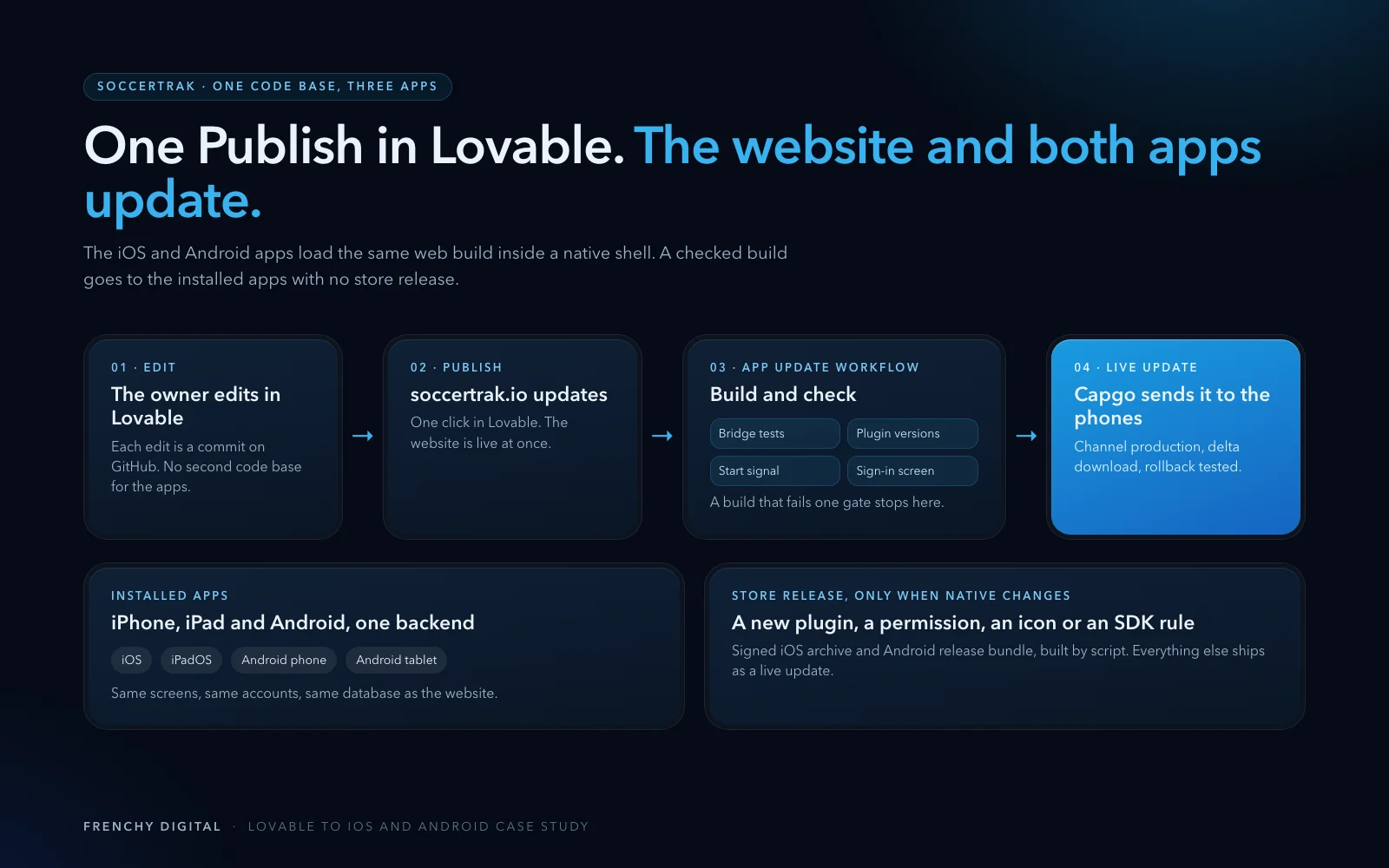
I put a native shell around the web app. The iOS and Android apps load the same web build that the website uses, so the screens and the accounts stay the same. I then built the update system, the native features and the store work around it.
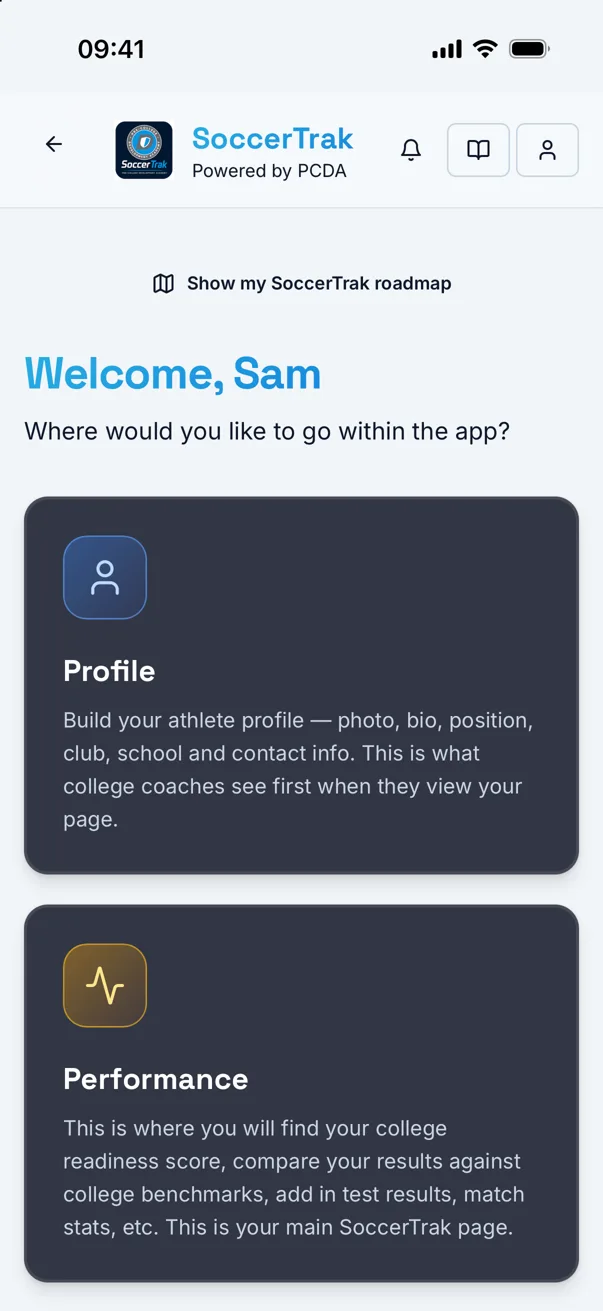
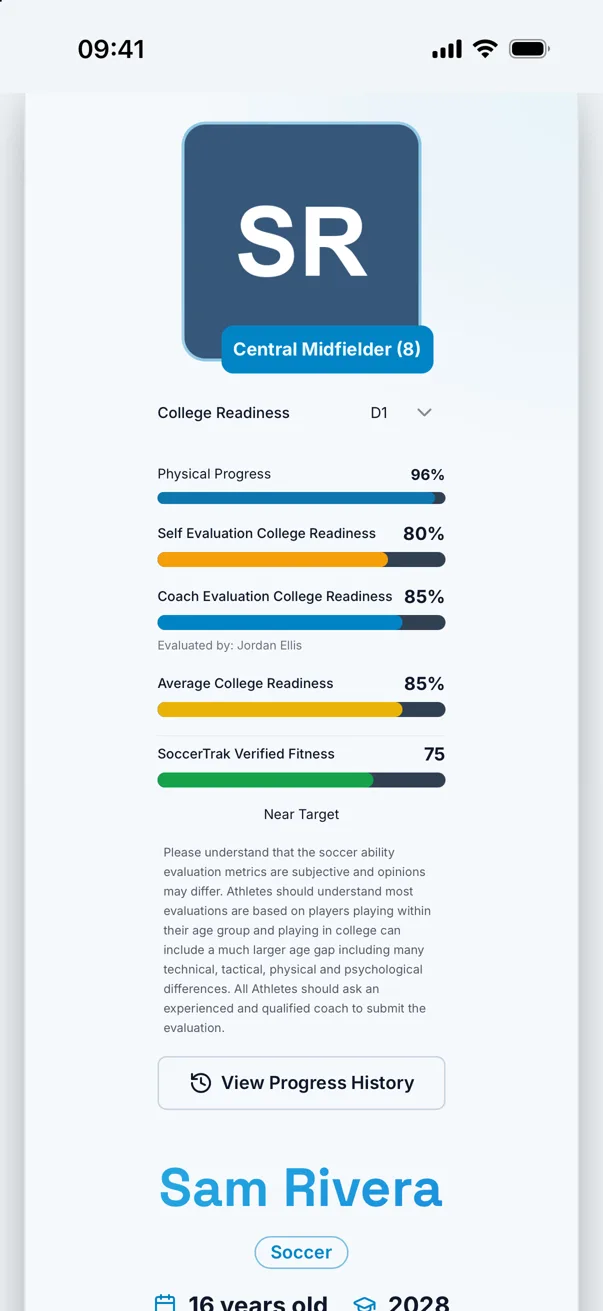
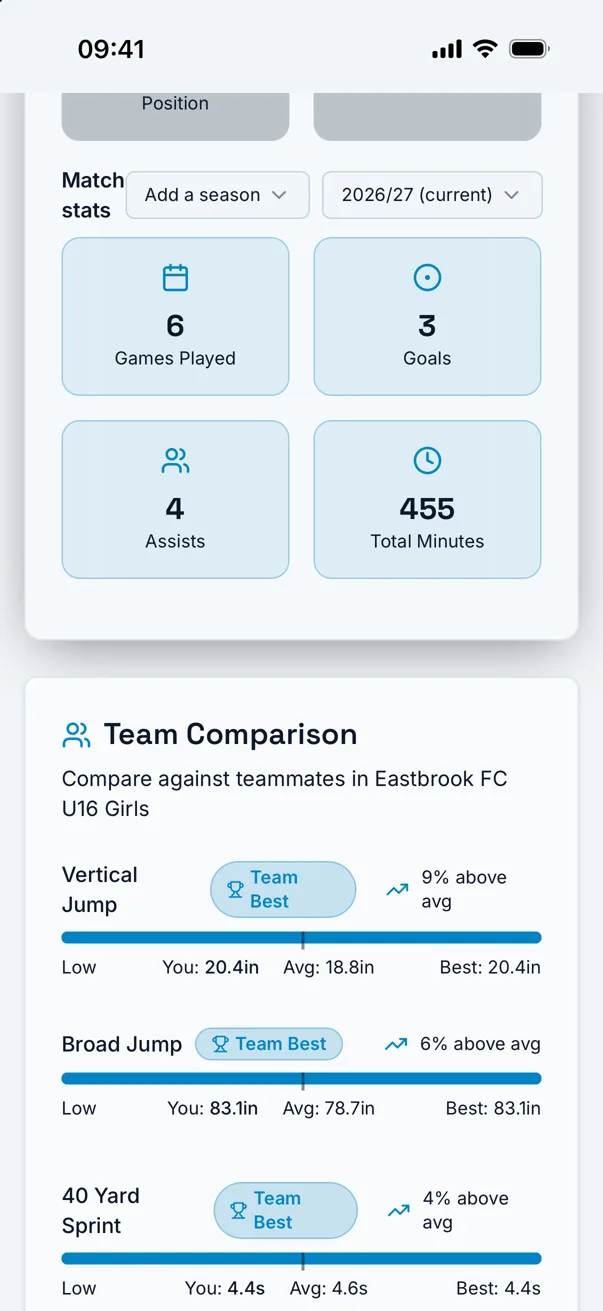
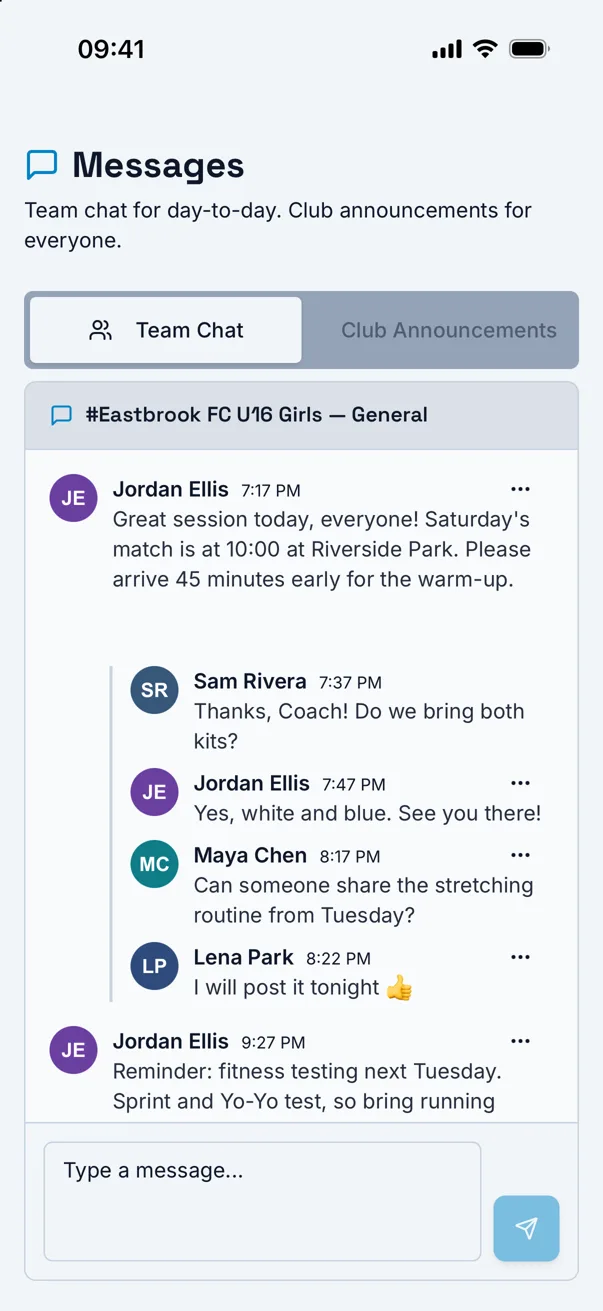
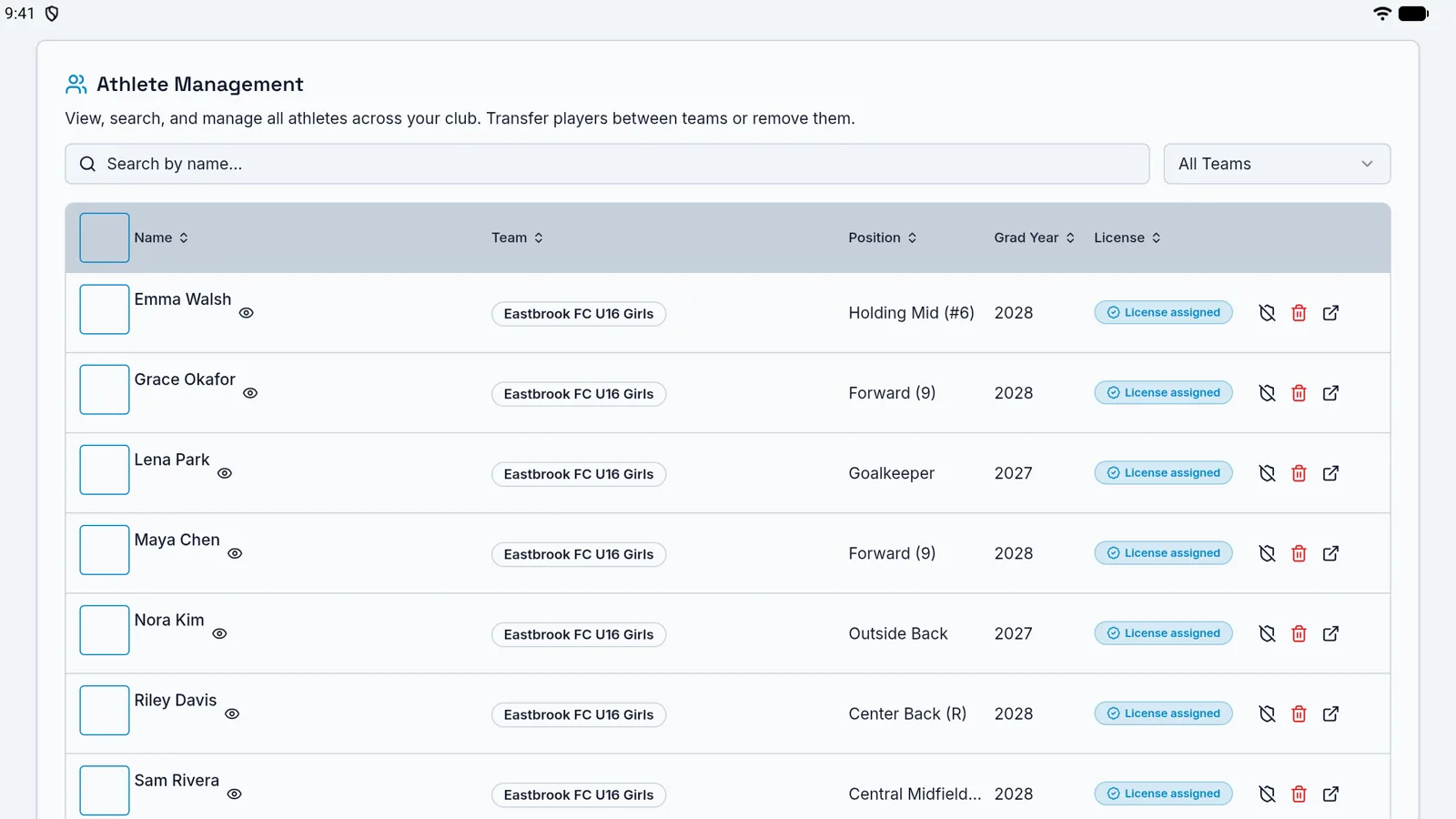
Store screenshots on iPhone. The players and teams are sample data.
How it was done
A native shell, not a second app
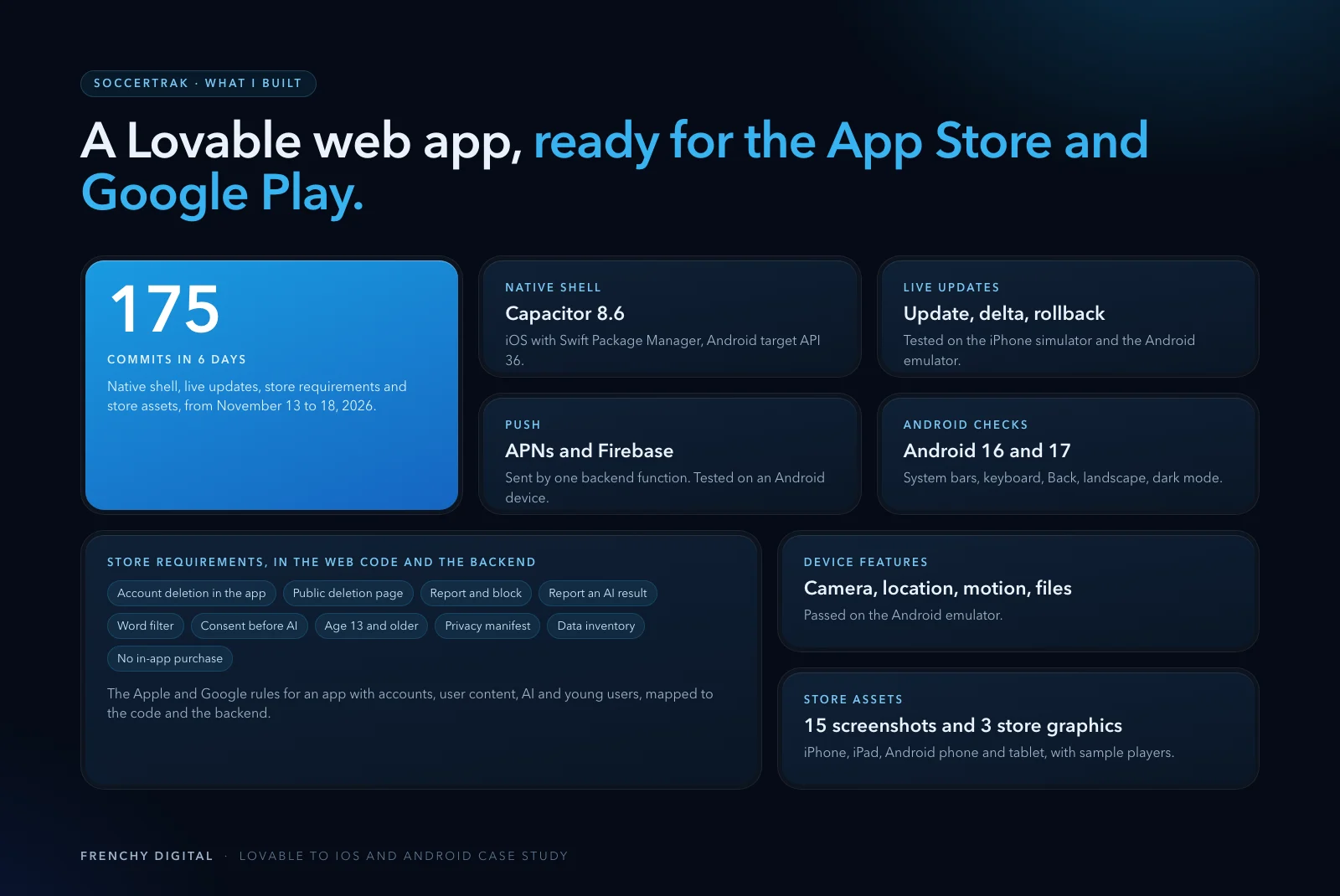
The shell is Capacitor 8.6, with the iOS project on Swift Package Manager and the Android project on target API 36. It lives in its own folder in the owner's repository, next to the web app. The store apps load the bundled build, not a website address, so they start fast and work as a real app.
A small bridge in the web code tells each screen what the phone can do. Camera, location, motion, file selection and push use the native plugins on a phone and the browser on the website.
Live updates with gates
A GitHub workflow compares the live commit of soccertrak.io with the version in the apps. When they are different, it builds the published commit and runs 4 checks: the bridge tests, the plugin versions, the start signal and the sign-in screen. Only a build that passes all 4 goes to Capgo, which sends it to the installed apps.
I tested an update, a delta download and a rollback on the iPhone simulator and on the Android emulator. If a new version does not send its start signal, the app goes back to the last good version.
Store requirements in the product
I also checked who can read each kind of player data. Now only the player, a parent, the team, the club, the staff and college coaches with a verified .edu address can read it.
Changes through GitHub, safe for Lovable
The owner continues to edit in Lovable, and Lovable commits each edit to the same repository. Each of my changes had to work with the other parts in their old state, because a Publish, a backend deploy and a database change happen at different times. For each change that Lovable must apply, I wrote the exact prompt for the Lovable chat.
If your app is built in Lovable
The same method works for any web app or site built in Lovable. You keep the tool that you use today, and you get apps in both stores.
You keep building in Lovable
Most changes skip the store review
The store work is done for you
Updates are checked first
Where it stands
What I can and cannot claim
Both apps build, start and pass their checks on the iPhone simulator, the Android emulator and an Android test device. The signed store builds are ready. The apps are not in the App Store or Google Play yet, because the owner's Apple and Google developer accounts are still in setup.
Push notifications work on Android. iOS push needs the owner's Apple key. Tests on more real phones are planned with the first test release. I do not have download or user numbers to publish yet.
What This Project Does Well
Technologies Used
Lovable (React, Vite, TypeScript) and Lovable Cloud. Capacitor 8.6 with Swift Package Manager and Android API 36. Capgo live updates and GitHub Actions. Apple Push Notification service and Firebase Cloud Messaging.
Ask AI for a summary of SoccerTrak (Pre-College Development Academy) by Frenchy Digital.
Open your assistant of choice with the question already written.
- Ask Claude for a summary of SoccerTrak (Pre-College Development Academy) by Frenchy Digital
- Ask ChatGPT for a summary of SoccerTrak (Pre-College Development Academy) by Frenchy Digital
- Ask Perplexity for a summary of SoccerTrak (Pre-College Development Academy) by Frenchy Digital
- Ask Gemini for a summary of SoccerTrak (Pre-College Development Academy) by Frenchy Digital
Ready to Build Something Similar?
Let's discuss how we can help transform your business with a custom digital solution.