
Introduction: The Robotics Software Revolution
The convergence of mobile apps, robotics, and artificial intelligence is fundamentally transforming how we control, monitor, and deploy autonomous systems. From construction sites using drone mapping apps to warehouses managing fleets of 100+ autonomous mobile robots (AMRs) through a single interface, specialized control applications have become the essential bridge between human operators and intelligent machines.
Traditional drone operation required pilots to manually control every movement through basic manufacturer apps like DJI Fly or DJI GO 4. Today's third-party control apps have transformed drones into autonomous data-capture platforms capable of executing complex missions with minimal human intervention. The same transformation is happening across the entire robotics industry.
"According to Grand View Research, the global drone software market reached USD $9.27 billion in 2024 and will grow to $24.39 billion by 2030 at 16.0% CAGR, driven by AI/ML innovations in flight planning and ground control."
This comprehensive guide examines the complete landscape of robotics control software in 2026, covering drone control apps, autonomous mobile robot software, consumer robotics apps, emerging technologies, and developer opportunities. At Frenchy Digital, we specialize in developing control software for robotics applications, including drone mission planning systems, AMR fleet management platforms, and IoT integrations for industrial automation. For related AI integration patterns, see our AI-powered apps guide.
Part 1: Drone Control Software: The Complete Landscape
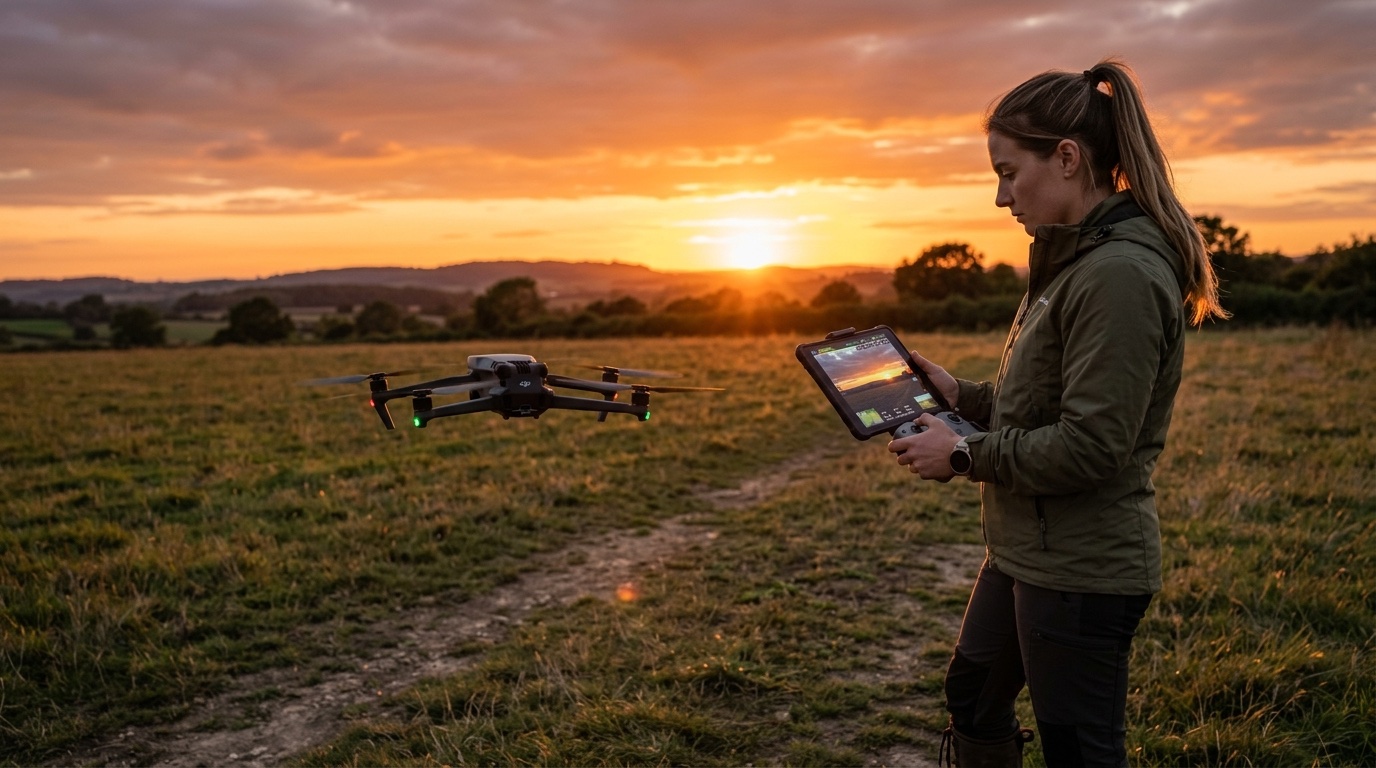
The evolution from manual to autonomous drone control represents one of the most significant shifts in aviation history. What was once a hobby requiring constant pilot attention has transformed into an enterprise-grade data collection platform where drones execute complex missions autonomously while operators focus on analysis and decision-making.
What Changed in Drone Operations
| Aspect | Traditional (2020) | Modern (2026) |
|---|---|---|
| Flight Control | Manual stick control | Fully automated waypoint missions |
| Photo Capture | Simple photo/video | Orthomosaic mapping with cm accuracy |
| Fleet Size | Single-drone operations | Multi-drone fleet coordination |
| Data Processing | Post-flight analysis | Real-time processing and decision-making |
"The third-party drone app ecosystem has matured to the point where choosing the right software is often more important than choosing the right hardware."
Top Drone Control Apps for 2026
The drone software market features diverse solutions serving different use cases, from hobbyist automation to enterprise fleet management. Here's our comprehensive analysis of the leading platforms.
Visual mission planning for professional drone automation with terrain following
Veteran's choice with Focus Mode, VR Mode, terrain follow, and 100K+ community missions
Official enterprise solution for Matrice/Phantom 4 RTK with mission planning
Specialized for complex 3D inspections, vertical structures, and swarm operations
LiDAR missions and multi-drone operations with RTK/PPK, VDA 5050 compatible
Operations hub with LAANC integration, airspace authorization, unlimited logging
Part 2: Autonomous Mobile Robot (AMR) Software
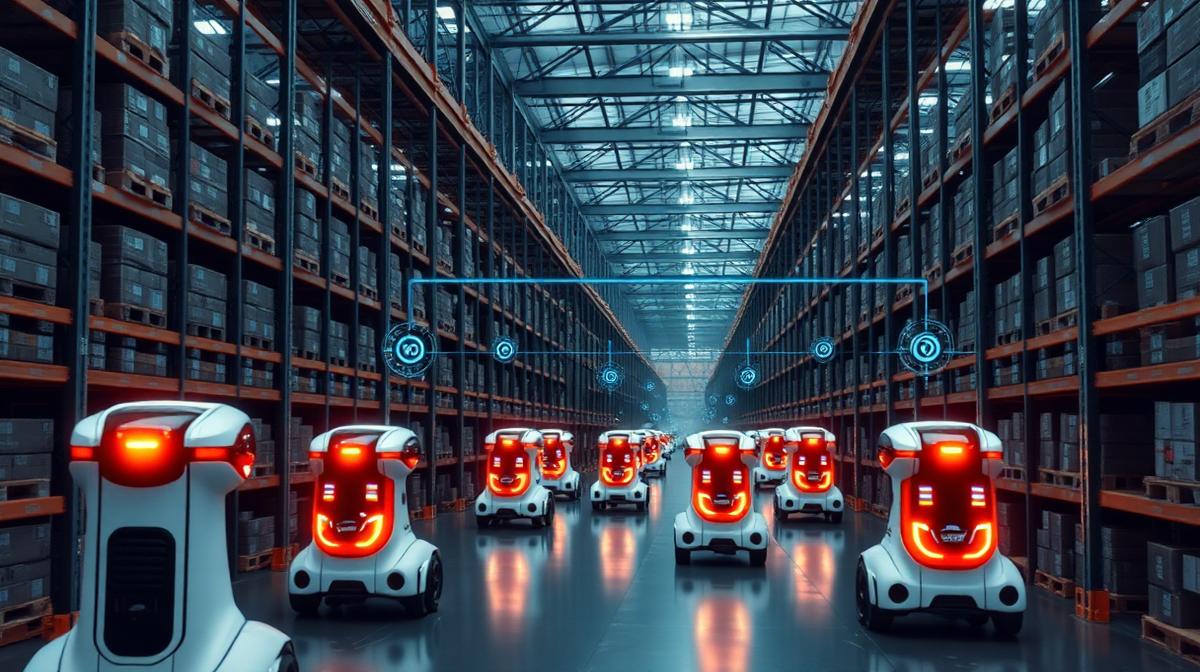
The AMR fleet management market is estimated at ~$3.5 billion (2024) growing 18-20% CAGR, driven by warehouse automation and logistics. According to a KINEXON case study at Continental, enterprises are achieving 250% ROI through multi-vendor fleet orchestration via VDA 5050 standards.
Why AMR Software Commands Premium Pricing
Unlike consumer apps with $5-20 price points, AMR fleet management software commands $50K-500K+ annual contracts because of mission-critical operations, complex VDA 5050 integrations, safety requirements, customization needs, and 24/7 support expectations. See DevOps School's comparison of top fleet management tools.
| Platform | Focus | Fleet Size | Pricing |
|---|---|---|---|
| KINEXON Fleet ↗ | Multi-vendor AMR/AGV | 250+ robots | $50K-200K/year |
| Locus Robotics ↗ | Warehouse picking | Up to 1,000 robots | $100K-500K/year |
| MiR Fleet ↗ | Flexible deployment | Up to 100 robots | $20K-80K/year |
| Fetch Robotics ↗ | Manufacturing logistics | Up to 300 robots | $30K-150K/year |
| 6 River Systems ↗ | E-commerce fulfillment | Up to 500 robots | $50K-200K/year |
Part 3: Consumer Robotics Apps
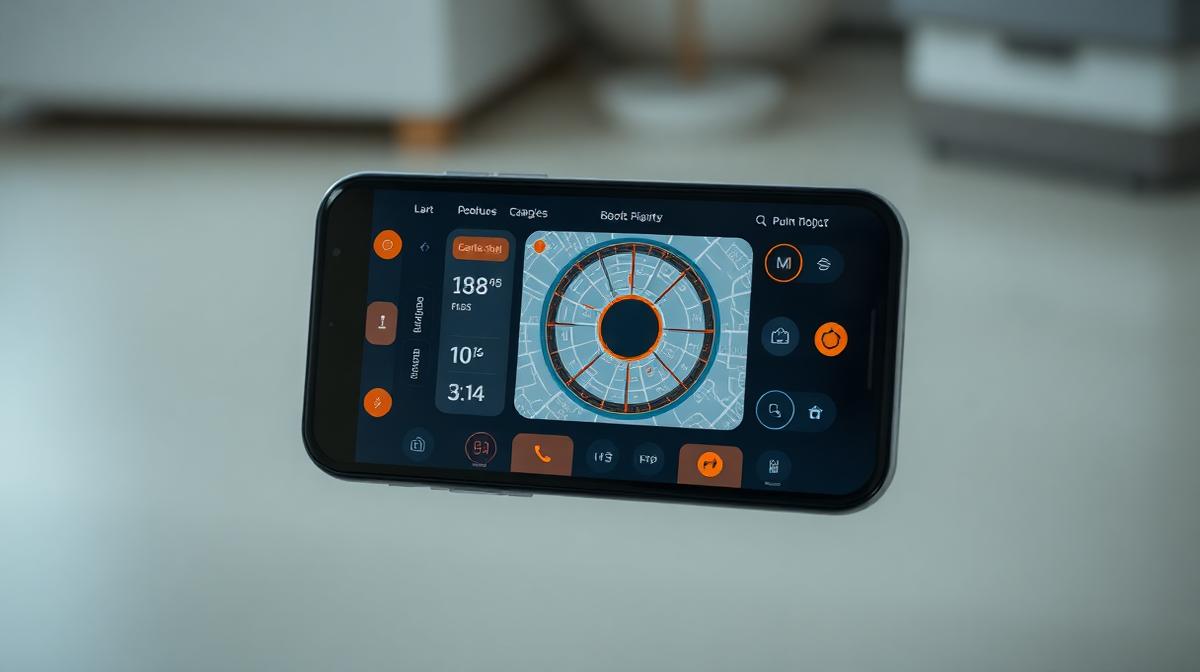
The consumer robotics segment is experiencing 45% year-over-year growth, bringing robotics into homes and schools through companion apps. Unlike industrial robotics, consumer apps prioritize intuitive interfaces that anyone can use, regardless of technical background.
Home Robots
iRobot HOME, Roborock, Ecovacs Home: scheduling, mapping, AI object recognition
Educational Robots
LEGO MINDSTORMS, Sphero Edu, VEX Robotics: teaching computational thinking
Companion Robots
Vector/Cozmo, Lovot, ElliQ: personality-driven robots for companionship
Part 4: Emerging Technologies in Robotics Control
The robotics industry is experiencing a technology revolution driven by AI breakthroughs, edge computing, and new hardware platforms. According to the International Federation of Robotics Top 5 Trends for 2026, agentic AI combining analytics and generative capabilities enables self-evolving robots. See also our CES 2026 coverage.

NVIDIA's Physical AI Platform
NVIDIA's Isaac platform announcement at CES 2026 introduced foundation models for robotics. This represents a paradigm shift from hand-coded behaviors to learned capabilities:
- Cosmos World Foundation Model: Understands 3D spaces and physics for simulation
- Gr00t: Humanoid robot foundation model enabling natural interaction
- Isaac Sim: Digital twin environment for robot training at scale
"Just as Android became the operating system for smartphones, NVIDIA's physical AI platform will become the foundation for the robotics industry.", Jensen Huang, CEO, NVIDIA
Part 5: Developer Opportunities in Robotics
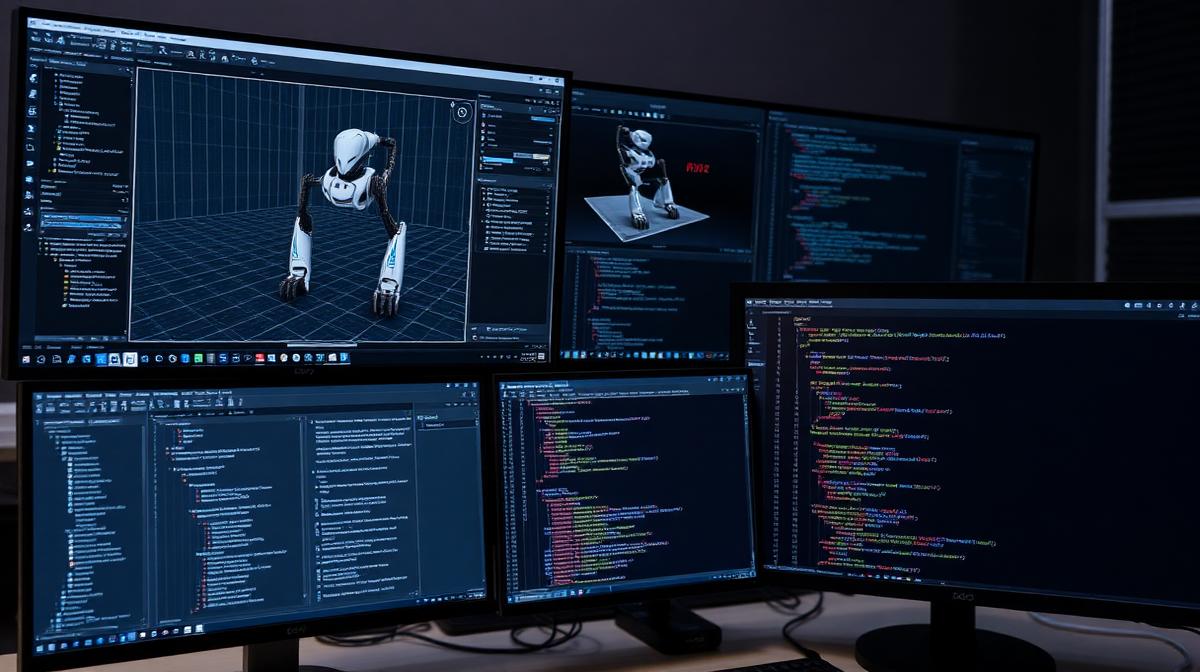
For developers looking to enter the robotics space, the opportunity has never been better. Hardware has commoditized, open-source platforms have matured, and the software layer remains wide open for innovation.
Why Robotics Software Is a Massive Opportunity
- Low competition: Compared to crowded SaaS and mobile app markets, robotics software has relatively few entrants
- High value: Enterprise AMR software commands $50K-500K+ deals vs. $10/month consumer apps
- Tangible impact: Robots physically transform operations: customers see immediate ROI
- Growing hardware base: Millions of drones, tens of thousands of AMRs already deployed
Essential Technologies to Learn
- ROS (Robot Operating System): De facto standard for robotics: most robots speak ROS 2 (Humble, Iron)
- MAVLink: Drone communication protocol enabling cross-platform compatibility (PX4, ArduPilot)
- Computer Vision: OpenCV, TensorFlow, PyTorch for perception systems
- SLAM: Simultaneous Localization and Mapping for navigation: see Gazebo for simulation
Robotics Development in Los Angeles
Los Angeles has emerged as a major robotics hub, driven by aerospace legacy, entertainment technology, and Silicon Beach innovation. According to UAV Coach's 2026 rankings, many top drone companies are headquartered in Southern California. See also our Los Angeles app development guide.
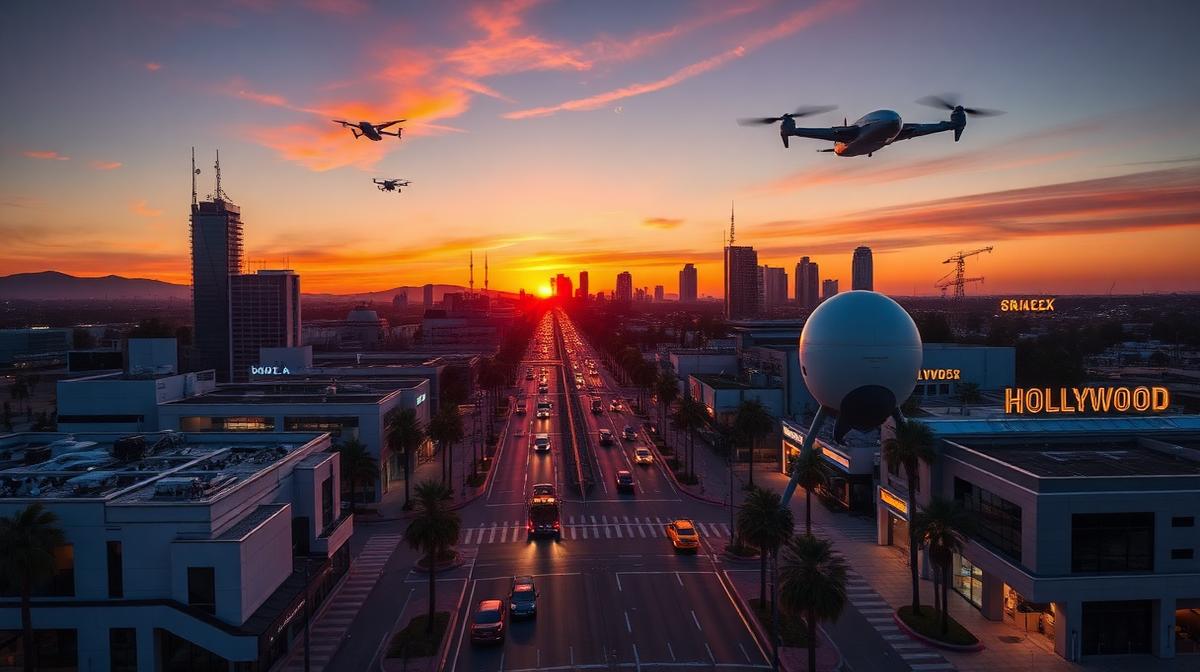
Key LA Robotics Companies
- SpaceX: Starship manufacturing with advanced robotic systems in Hawthorne
- Relativity Space: 3D-printed rockets with robotic manufacturing in Long Beach
- Nuro: Autonomous delivery vehicles testing throughout Southern California
"Los Angeles combines aerospace heritage with entertainment technology and Silicon Beach innovation, creating a unique ecosystem where robotics companies can tap talent from SpaceX, Disney, and tech startups all within a 30-mile radius."
How Frenchy Digital Builds Robotics Control Apps
At Frenchy Digital, we've developed expertise in robotics software through projects spanning drone mission planning, AMR fleet management, IoT integration, and real-time control systems. Our systematic approach ensures technical excellence while meeting business objectives.
Phase 1: Hardware Assessment
$5,000-$8,0002-3 weeks: Robot sensor capabilities, communication protocols, safety requirements
Phase 2: Architecture & PoC
$12,000-$20,0003-4 weeks: Robot communication validation, real-time performance testing
Phase 3: Core Development
$60,000-$150,0008-16 weeks: Mission planning, fleet management, iOS/Android apps
Phase 4: Testing & Deployment
$15,000-$30,0004-6 weeks: Simulation testing, field testing, safety certification, training
Ready to Build Your Robotics Control App?
From drone mission planning to AMR fleet management, Frenchy Digital has the expertise to bring your robotics vision to life.
Frequently Asked Questions
Conclusion: The Software-Defined Robotics Future
The robotics industry has reached an inflection point. Hardware has commoditized: drones, AMRs, and robotic arms are now affordable and reliable. The bottleneck has shifted entirely to software: the apps that control, coordinate, and unlock value from these machines.

For developers and entrepreneurs, this represents one of the largest opportunities in tech today. The global drone market alone exceeds $73 billion (2024), with software comprising 12-15% share and growing at 16% CAGR according to Grand View Research.
At Frenchy Digital, we're excited to be part of this transformation. Whether you're building drone mission planning systems, AMR fleet management platforms, or consumer robotics apps, we bring the technical expertise and systematic approach to turn your vision into reality.
Ready to explore the robotics opportunity? Contact Frenchy Digital to discuss your project.
Sources & References
- Grand View Research: Drone Market Size, Share & Growth Report 2030
- Grand View Research: Drone Software Market Size & Industry Report 2030
- Grand View Research: Commercial Drone Market Size & Share Report 2030
- International Federation of Robotics: Top 5 Global Robotics Trends 2026
- DevOps School: Top 10 Robotics Fleet Management Tools
- Civil Tracker: 9 Best DJI Drone Autopilot Apps
- Skykam: Best Drone Apps For Drone Pilots 2026
- SkyWatch: 10 Essential Apps Every Drone Operator Needs
- KINEXON: AMR Operations Case Study at Continental
- RTA Fleet: Best Fleet Management Software 2026
- UAV Coach: Top Drone Companies to Watch 2026
- FlyPix AI: Top Autonomous Drone Companies
- FlytBase: Enterprise Drone Autonomy Platform
- MarketsandMarkets: Fleet Management Software Companies
- UAV Coach: Drone Mapping In-Depth Guide 2026