












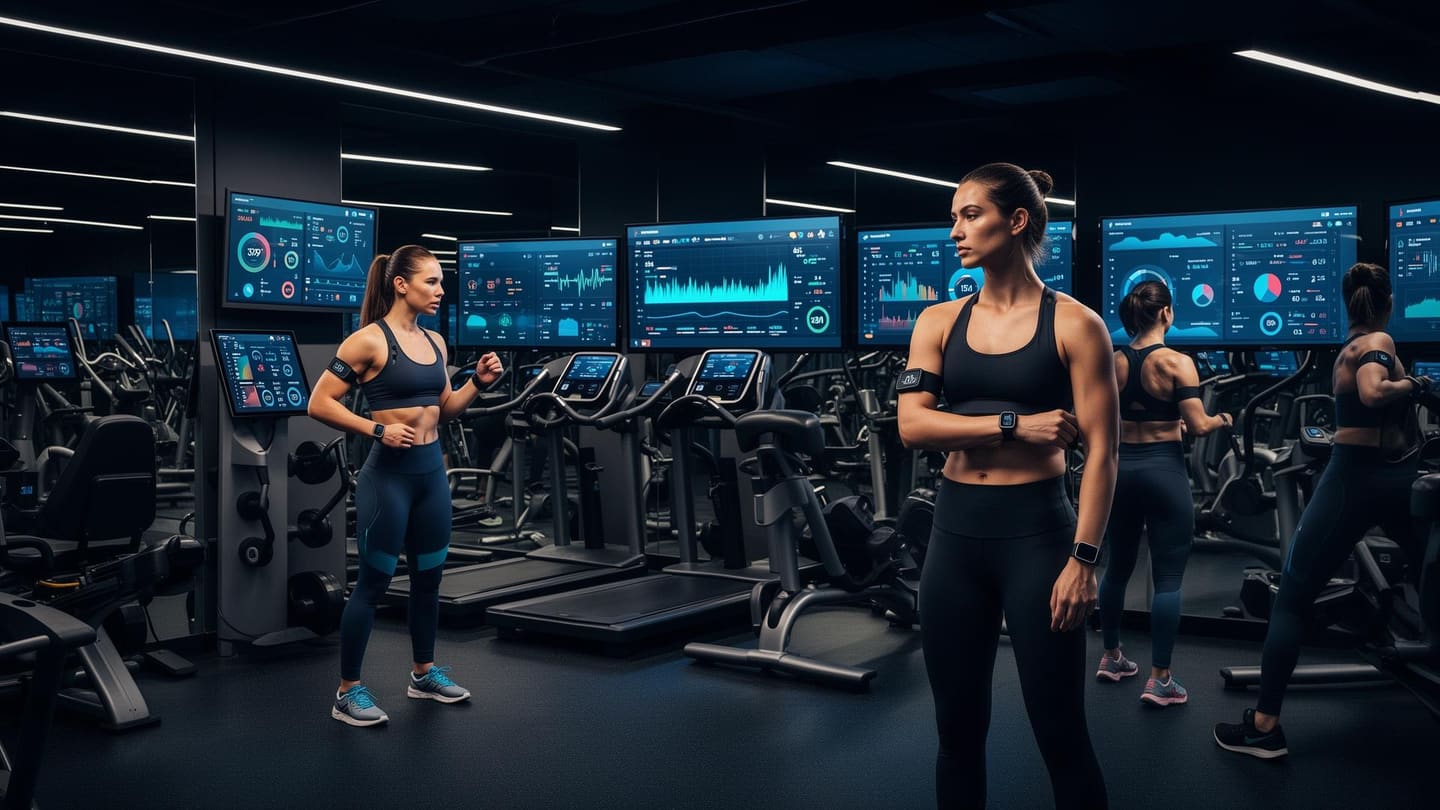
Executive Summary: The Fitness App Revolution of 2026
The fitness app market has matured dramatically over the past six years, evolving from simple step counters and workout trackers into sophisticated AI-powered coaching platforms, immersive virtual training environments, and comprehensive health ecosystems. According to Statista, the global fitness app market reached $15.2 billion in 2026, with projections to exceed $30 billion by 2030 at a compound annual growth rate (CAGR) of 23.6%.
Several macro trends are driving this explosive growth and reshaping how people approach health, wellness, and physical fitness:
- Post-Pandemic Fitness Behavior Shift: The COVID-19 pandemic permanently altered fitness habits, with 58% of users maintaining digital fitness routines even after gym reopenings. Home and hybrid fitness is now mainstream, not emergency backup.
- Wearable Device Integration: Over 412 million wearable devices shipped globally in 2025, creating massive ecosystems of health data that fitness apps leverage for personalization and insights.
- AI and Personalization: Machine learning algorithms now power 76% of successful fitness apps, delivering genuinely personalized workouts, nutrition advice, and recovery recommendations based on individual user data.
- Social Fitness Communities: The integration of social features has proven critical, with apps featuring strong community elements showing 3.2x higher retention rates than isolated workout trackers.
- Connected Fitness Equipment: The success of Peloton, Mirror, Tonal, and similar platforms has validated the connected fitness model, creating new opportunities for app developers to integrate with smart equipment.
📊 Key Market Data Points (2026)
- Total Downloads: 5.8 billion fitness app downloads globally in 2025
- Active Users: 587 million monthly active users across all platforms
- Average Session Length: 18.3 minutes per workout session
- Retention Rate (D30): Top apps achieve 35-40% 30-day retention (industry average: 8-12%)
- Revenue Per User: Premium fitness apps average $142 annual revenue per paying user
- Conversion Rate: Free-to-paid conversion rates range from 2-8% depending on app category
- Geographic Distribution: North America (38%), Europe (28%), Asia-Pacific (24%), Other (10%)
Los Angeles has emerged as a global leader in fitness app development, with specialized fitness app developers serving the city's health-conscious culture and proximity to entertainment industry resources. The convergence of technology expertise, fitness industry knowledge, creative talent, and wellness culture makes Los Angeles uniquely positioned for fitness app innovation.
The Top 10 Fitness Apps of 2026: Comprehensive Analysis
These applications represent the pinnacle of fitness app development in 2026, each dominating specific niches through superior user experience, innovative features, and strong community engagement.
🥇 #1 Peloton Digital: Comprehensive Connected Fitness Platform
Users: 8.2 million subscribers (February 2026)
Monthly Cost: $44/month (equipment owners), $12.99/month (app-only)
- Industry-leading live and on-demand class library with 50+ categories
- Seamless integration across Bike, Tread, Row, and Strength equipment
- Celebrity instructors with cult-like following creating authentic community
- Advanced performance tracking with real-time leaderboards and personal records
- Lanebreak gamification for cycling workouts increasing engagement 34%
Why It Succeeds: Peloton pioneered the connected fitness model and continues innovating with game-based workouts, enhanced social features, and content partnerships. Their $1.2 billion annual content investment creates a moat competitors can't match. The brand transcends product: it's a lifestyle and identity for members.
Download: App Store • Google Play
🥈 #2 Apple Fitness+: Integrated Ecosystem Fitness Service
Users: 12+ million subscribers (bundled with Apple One)
Monthly Cost: $9.99/month standalone, included in Apple One Premium ($32.95/month)
- Seamless integration with Apple Watch displaying real-time metrics on screen
- SharePlay feature enabling group workouts with friends and family
- Trainer tips and audio coaching sync perfectly with watch data
- Custom Plans feature creating personalized workout schedules
- Time to Walk/Run series with celebrities sharing inspiring stories
Developer Insight: This demonstrates the power of platform integration. Apple Fitness+ wouldn't work without Apple Watch: the hardware-software synergy creates unique value. For developers, this suggests partnering with wearable manufacturers rather than competing with ecosystem players.
Download: App Store (iOS only)
🥉 #3 Strava: Social Fitness Network & Activity Tracker
Users: 120+ million athletes (February 2026), 4.2 million paying subscribers
Monthly Cost: Free (basic), $11.99/month (subscription)
- Segment leaderboards creating competitive motivation for specific routes
- Powerful social network where athletes share, compete, and encourage
- Route discovery and planning based on popular athlete paths
- Training analysis with relative effort, fitness trends, and performance insights
- Integration with 100+ devices and apps making it universal activity hub
Developer Insight: Strava's freemium model is masterclass in conversion. Free tier provides core value (activity tracking, social features), while premium features (training analysis, route planning) target serious athletes willing to pay. They convert 3.5% of free users to paid (exceptional in consumer apps).
Download: App Store • Google Play
#4 MyFitnessPal: Nutrition Tracking & Comprehensive Health Platform
Users: 200+ million registered users, 5.8 million premium subscribers
Monthly Cost: Free (basic), $19.99/month or $79.99/year (premium)
- World's largest food database with 14+ million foods and growing
- Barcode scanner and meal photo recognition using computer vision
- Integration with 50+ fitness apps and devices for holistic health view
- Macro tracking and custom nutrition goals for specialized diets
- Recipe importer and meal planning features simplifying healthy eating
Developer Insight: Building a comprehensive food database is expensive and time-consuming. MyFitnessPal's 15+ year head start creates near-insurmountable advantage. New entrants must differentiate through AI-powered features, specialized diets, or integrated coaching rather than competing on database size.
Download: App Store • Google Play
#5 Fitbod: AI-Powered Strength Training
Users: 8+ million users, 950,000 premium subscribers
Monthly Cost: $12.99/month or $79.99/year
- AI workout generator creating personalized programs based on goals, equipment, and recovery
- Muscle recovery tracking preventing overtraining specific muscle groups
- Exercise library with HD videos and detailed form instructions
- Progressive overload optimization automatically adjusting weights and reps
- Gym and home workout modes adapting to available equipment
Why It Succeeds: Fitbod solved the "what workout should I do today?" problem through intelligent programming. Their AI considers workout history, recovery status, available equipment, and time constraints to generate optimal workouts, addressing major pain points for strength training enthusiasts.
Download: App Store • Google Play
#6 Nike Training Club: Free Premium Fitness
Active Users: 35M+ monthly | Parent: Nike Inc.
Pricing: Free (previously $14.99/month premium)
- 200+ free guided workouts from Nike Master Trainers
- Programs ranging from 2-6 weeks for specific goals
- Yoga, HIIT, strength, cardio, and mobility categories
- Apple Watch integration with outdoor run tracking
- Nike's iconic brand with world-class athlete endorsements
Strategic Positioning: Nike made all premium content free in 2020, betting that brand exposure and Nike product integration would drive value. The strategy has generated massive user acquisition and brand engagement, making NTC a top-of-funnel marketing asset.
Download: App Store • Google Play
#7 WHOOP: 24/7 Recovery Optimization
Members: 1.8M+ | Revenue Model: $30/month subscription includes hardware
ARR: ~$650M (estimated)
- Continuous strain, recovery, and sleep monitoring
- Battery-free wearable with 5-day charge life
- AI-driven personalized recovery recommendations
- Team/group features for coaches and sports teams
- Journal feature correlating behaviors with performance
Differentiation: WHOOP pioneered the subscription-hardware model, removing upfront cost barriers. Their focus on recovery (not just activity) resonates with serious athletes who understand that adaptation happens during rest, not training.
Download: App Store • Google Play
#8 Zwift: Virtual Cycling & Running World
Users: 4M+ registered | Pricing: $14.99-$24.99/month
Peak Concurrent: 60,000+ riders during major events
- Immersive 3D virtual worlds including Watopia, London, New York
- Smart trainer and power meter integration
- Structured training programs and group workouts
- Virtual racing with real-world equivalents and UCI recognition
- Running mode for treadmill training with virtual environments
Market Leadership: Zwift essentially created the indoor cycling category and maintains dominant market share despite competition from Rouvy and MyWhoosh. Their virtual racing ecosystem has become a legitimate competitive platform with prize money events.
Download: App Store • Google Play
#9 Future: Premium 1-on-1 Coaching
Clients: 85,000+ active | Pricing: $149/month
Coaching Ratio: ~100 clients per coach
- Dedicated human coach creating personalized workout plans
- Apple Watch integration tracking every workout in real-time
- Daily accountability through coach messaging
- Workout adjustments based on travel, schedule, and equipment
- Video check-ins and form reviews
Premium Positioning: Future proves that high-touch human coaching commands premium pricing even in a market full of free apps. Their coach matching process and accountability systems create results that justify the investment for clients who value personal attention.
Download: App Store • Google Play
#10 Lululemon Studio (Mirror): Smart Home Fitness
Users: 800,000+ device owners | Parent: Lululemon Athletica
Pricing: $39.99/month subscription (hardware $995-$1,495)
- Full-length mirror doubling as 43-inch fitness display
- 10,000+ on-demand workouts across 55+ genres
- Computer vision technology for real-time form feedback
- Live classes with two-way audio for instructor interaction
- Lululemon apparel integration and exclusive content
Design Leadership: Mirror/Lululemon Studio pioneered the "workout equipment as furniture" concept, appealing to design-conscious consumers who didn't want gym equipment visible in their homes. The Lululemon acquisition added brand synergy and retail distribution.
Download: App Store • Google Play
💡 Key Takeaway: What Top Apps Have in Common
- Strong Community: Social features and competition driving engagement and retention
- Content Quality: Investment in professional trainers, production quality, and variety
- Personalization: AI-powered recommendations adapting to individual users
- Wearable Integration: Seamless connection with fitness devices for data-rich experiences
- Clear Value Proposition: Solving specific problems better than alternatives
Fitness App Development Costs & Planning
Understanding realistic development costs is crucial for planning successful fitness app projects. Costs vary significantly based on feature complexity, platform choice, and development approach.
| App Complexity | Feature Set | Estimated Cost | Timeline |
|---|---|---|---|
| Basic Workout Tracker | Workout logging, exercise library, basic analytics, profile management | $120,000-$180,000 | 4-6 months |
| Comprehensive Fitness Platform | Video content, social features, wearable sync, personalization, nutrition tracking | $180,000-$280,000 | 6-9 months |
| Advanced AI-Powered App | AI coaching, real-time form feedback, connected equipment, live classes, community | $280,000-$400,000+ | 9-14 months |
💰 Hidden Costs Developers Don't Always Mention
- Content Production: $30,000-$150,000+ for initial video library, then $3,000-15,000 monthly for ongoing content. Professional trainers, videographers, editors aren't cheap.
- Wearable Device Integration: Each platform (Apple Watch, Fitbit, Garmin, etc.) requires custom integration work. Budget $8,000-20,000 per major platform.
- Music Licensing: If providing music for workouts, licensing costs $5,000-50,000 annually depending on library size and usage rights.
- Cloud Infrastructure at Scale: Video streaming and real-time data sync get expensive. Plan for $500/month starting, scaling to $5,000-20,000+ monthly with growth.
- Coach/Trainer Onboarding: For coaching platforms, recruiting, vetting, training coaches costs $2,000-5,000 per coach plus ongoing management systems.
- App Store Fees: Apple and Google take 15-30% of subscription revenue (15% under $1M annual revenue, 30% above).
Platform Decision: Native vs. Cross-Platform for Fitness Apps
This decision impacts budget by $60,000-$150,000 and determines technical flexibility for years. Choose wisely based on your specific requirements.
| Platform Strategy | Pros | Cons | Best For |
|---|---|---|---|
| Native iOS + Android | Maximum performance, full HealthKit/Google Fit access, best wearable integration | 2x development cost, 2 codebases to maintain, slower releases | Complex apps with real-time video, AR, intensive graphics |
| Cross-Platform (React Native/Flutter) | 40-50% cost savings, single codebase, faster iterations, good wearable support | Slight performance overhead, occasionally need native modules | 90% of fitness apps: comprehensive platforms, tracking apps |
| iOS-Only First | Focus resources, iOS users spend more on subscriptions, faster launch | Excludes 70% of global market, Android port needed later | Premium apps targeting affluent demographics |
For most fitness apps in 2026, start with cross-platform development using React Native or Flutter. The performance difference is imperceptible for most use cases, while cost savings are substantial. You can always add native modules later for specific features requiring maximum performance.
Development Team
Monetization Strategies for Fitness Apps in 2026
Choosing the right monetization model dramatically impacts user acquisition, retention, and long-term revenue. The fitness app market has established proven models, each with distinct advantages.
📱 1. Subscription Model (Most Common: 92% of Top Apps)
How It Works: Users pay recurring monthly or annual fees for premium features, content, or full app access.
- Workout library apps: $9-20/month
- Comprehensive fitness platforms: $12-30/month
- Premium coaching apps: $99-200/month
- Connected equipment subscriptions: $25-45/month (plus hardware)
Key Success Factors: Free trial period (7-14 days), annual subscription with 20-40% discount, continuous content additions, excellent onboarding, retention features like streaks and challenges.
Benchmark Metrics: Top fitness apps achieve 3-8% free-to-paid conversion rates, with 65-75% annual retention among paying subscribers.
🆓 2. Freemium Model
Core features free, premium features require subscription. Examples include Strava (free tracking + paid analytics) and MyFitnessPal (free logging + paid meal plans).
- Lower acquisition friction with large user base for viral growth
- Conversion rates typically 2-5%
- Make free tier genuinely useful, not a crippled trial
- Premium enhances, not enables, the core experience
💵 3. One-Time Purchase (Declining: 8% of Top Apps)
Single upfront fee ($2.99-$39.99) for lifetime access. No recurring revenue makes funding ongoing development difficult. Only works for specialized utilities or niche markets. Market has shifted decisively toward subscriptions.
💡 Monetization Strategy Recommendation
- 1.Primary: Subscription model with free trial (7-14 days)
- 2.Pricing: $12-20/month or $99-$149/year (saving 30-40% vs monthly)
- 3.Free Tier: Limited but functional, enough to demonstrate value
- 4.Onboarding: Invest heavily in first-run experience ensuring users complete workout during trial
- 5.Retention: Implement streaks, challenges, and community features preventing cancellation
Target Metrics: 5% free-to-paid conversion, 70% annual retention = sustainable business with reasonable customer acquisition costs.
Technical Architecture Considerations for Fitness Apps
Building successful fitness apps requires solving unique technical challenges around real-time data, video streaming, wearable integration, and scale. Understanding these requirements upfront prevents expensive architectural rework later.
Backend Infrastructure Requirements
- User Management & Authentication: Secure login, social authentication, profile management. Consider Firebase Authentication or Auth0 for robust, scalable solution.
- Workout Data Storage: Time-series database for activity data (InfluxDB, TimescaleDB), relational database for profiles (PostgreSQL), caching layer (Redis).
- Video Streaming & CDN: Video hosting and transcoding (AWS MediaConvert, Mux), content delivery network (CloudFront, Cloudflare), adaptive bitrate streaming.
- Wearable Data Sync: APIs for Apple HealthKit, Google Fit, Fitbit, Garmin, WHOOP with real-time data ingestion and normalization.
- Social Features: Activity feed generation, notification system, friend graph storage, content moderation systems.
- AI/ML Infrastructure: Model training pipelines, inference API for real-time recommendations, A/B testing framework.
Video Streaming Infrastructure
For workout apps with video content, streaming infrastructure represents significant technical and cost considerations:
- Video transcoding: Convert to multiple resolutions (1080p, 720p, 480p, 360p) and HLS format
- Storage: S3 or similar object storage for master and transcoded files
- CDN: Content delivery network caching videos globally for low latency
- Streaming protocol: HLS (HTTP Live Streaming) for adaptive bitrate
- DRM (optional): Digital rights management for premium content protection
| Monthly Users | Est. Cloud Costs | Notes |
|---|---|---|
| 1,000-10,000 | $200-$800/month | Basic video hosting, shared infrastructure |
| 10,000-100,000 | $800-$5,000/month | Dedicated CDN, auto-scaling |
| 100,000-1M | $5,000-$25,000/month | Multi-region, high availability |
| 1M+ | $25,000+/month | Custom infrastructure, dedicated support |
Wearable Integration Strategy
Wearable integration is non-optional for serious fitness apps in 2026-68% of fitness app users own at least one wearable device. However, each platform requires custom implementation.
| Platform | Market Share | Integration Method | Dev Effort | Data Available |
|---|---|---|---|---|
| Apple Watch / HealthKit | 32% | HealthKit API (iOS) | 2-3 weeks | Activity, workouts, heart rate, sleep, nutrition |
| Fitbit | 18% | Fitbit Web API | 2-3 weeks | Activity, heart rate, sleep, weight, nutrition |
| Garmin | 12% | Garmin Connect API | 2-3 weeks | Activity, workouts, heart rate, run dynamics |
| Google Fit | 8% | Google Fit API (Android) | 2 weeks | Activity, workouts, nutrition, location |
| WHOOP | 3% | WHOOP API | 1-2 weeks | Recovery, strain, sleep, HRV |
Start with Apple HealthKit and Google Fit: these aggregate data from many other devices, providing broad coverage. Add direct integrations with Fitbit, Garmin, and WHOOP based on your target audience.
Implementation Priority
⚠️ Technical Challenges
- Data normalization: Each platform uses different units and formats
- Authorization flows: Managing OAuth tokens across multiple services
- Rate limiting: Respecting API quotas during bulk sync
- Offline sync: Handling data when device connection interrupted
Future Trends & Opportunities in Fitness Apps
The fitness app landscape continues evolving rapidly. Understanding emerging trends helps position new apps for long-term success.
🚀 Emerging Opportunities
- AI-Powered Form Coaching: Computer vision analyzing exercise form in real-time, providing corrections via audio/visual feedback. Requires sophisticated ML models but creates significant differentiation.
- Mental Health Integration: Fitness apps increasingly incorporating meditation, stress management, sleep optimization. Holistic wellness positioning resonating with users.
- Corporate Wellness: $80B+ corporate wellness market seeking digital solutions. B2B revenue model with higher LTV than consumer subscriptions.
- Niche Communities: Specialized apps for specific communities (seniors, pregnant women, athletes with disabilities) less competitive with loyal user bases.
- Gamification 2.0: Beyond badges and streaks: full game mechanics, virtual worlds, competitive leagues, real-money prizes for achievements.
The fitness app industry's trajectory is clear: continued growth, increasing sophistication, and deeper integration with users' broader health journeys. Success requires understanding not just technology, but human motivation, behavior change, and the unique challenges of helping people achieve fitness goals through digital experiences.
The fitness app market is not winner-take-all. While giants like Peloton and Apple dominate headlines, successful niche apps serving specific needs, communities, or modalities continue thriving. The key is identifying underserved segments and delivering genuinely valuable experiences that help users achieve their fitness goals.
Frenchy Digital
Ready to Build Your Fitness App?
Our Los Angeles team has developed fitness applications serving hundreds of thousands of users. We understand wearable integration, video streaming at scale, community features, and AI personalization.
1517 S Bentley Ave Suite 204, Los Angeles CA 90025