The intersection of mobile app development Los Angeles expertise with global climate adaptation needs has created unprecedented opportunities for weather intelligence applications in 2026. According to Gartner, extreme weather events are intensifying worldwide. As reported by McKinsey's Climate & Sustainability research, the city's technology sector has responded to escalating climate volatility by developing sophisticated meteorological applications combining real-time data aggregation, predictive analytics, and location-based alerting systems.
The demand for app maintenance and support in the weather app category has surged dramatically as applications must continuously integrate new data sources, refine prediction algorithms, and expand coverage areas. Meanwhile, real estate app development has evolved to incorporate comprehensive climate risk assessment, with property platforms integrating long-term weather pattern analysis, flood zone mapping, wildfire risk modeling, and extreme temperature projections.
The Paris Weather Crisis of 2026: A Case Study in Climate Extremes
The extreme weather events that devastated Paris and surrounding regions throughout January and February 2026 represent a watershed moment in European climate adaptation, demonstrating both the catastrophic consequences of inadequate weather preparedness and the critical role sophisticated mobile applications play in public safety during meteorological emergencies. Data from the Copernicus Climate Change Service shows this kind of temperature whiplash and concentrated rainfall becoming more frequent across Western Europe as the continent warms.
January 2026 Temperature Anomalies

The temperature swings shattered historical records with swings exceeding 30°C within 72-hour periods. According to BBC Weather reporting, Paris experienced a freak warm spell reaching 18°C on January 8-9 (approximately 15°C above normal), followed by an Arctic air mass plunging temperatures to -12°C by January 12, the coldest reading in Paris since 1985.
Weather applications with advanced alerting capabilities proved literally lifesaving during these events. Apps providing 72-hour temperature forecasts with hourly granularity enabled individuals to prepare for extreme cold. Mobile app developers Los Angeles firms that had implemented hyperlocal temperature monitoring (incorporating data from thousands of personal weather stations) provided neighborhood-level precision far exceeding government forecasts.
Record Precipitation and Flooding

Late January and February brought catastrophic impacts exceeding the 1910 Great Flood of Paris in certain metrics. The Seine River reached 6.8 meters at Austerlitz Bridge on February 3 (just 20cm below the 1910 peak), forcing evacuations, closing major museums including portions of the Louvre, and disrupting transportation across the metropolitan area.
According to Reuters European reporting, accumulated precipitation for January-February 2026 reached 287mm compared to the historical average of 98mm: nearly 300% of normal rainfall concentrated in severe convective storm systems.
App Performance During Crisis
Apps developed by mobile app development Los Angeles firms with experience in California flood forecasting deployed similar technologies in European contexts. Applications ingested data from upstream river monitoring stations, applied runoff models accounting for saturated soil conditions, and generated neighborhood-specific flood arrival time predictions enabling targeted evacuations.
Unprecedented Storm Intensity
Storm Freja (January 20-21) generated wind gusts exceeding 140 km/h across Île-de-France, downing thousands of trees, causing widespread power outages, and triggering building damage. The storm's rapid intensification (pressure dropping 28 millibars in 12 hours) exemplified explosive cyclogenesis patterns more common to North Atlantic maritime locations.
Weather applications employing ensemble forecasting and probabilistic prediction provided crucial early warning. Apps developed by leading mobile app developers Los Angeles firms implemented machine learning algorithms trained on global storm databases, recognizing the developing system's explosive potential 48 hours before impact.
Infrastructure Failures and Cascading Impacts
Power outages from storm damage affected 2.3 million customers across Île-de-France at peak, with some communities experiencing multi-day blackouts. Transportation disruptions rippled across Europe as Paris serves as a central hub.
Offline Functionality Proved Essential
Apps that cached forecast data, stored emergency contact information locally, and operated without constant cloud connectivity remained functional when network infrastructure failed. App maintenance and support teams working throughout the crisis pushed emergency updates enabling extended offline operation.
Leading Weather Intelligence Applications of 2026
Tomorrow.io
Hyperlocal Weather Intelligence
Tomorrow.io revolutionized weather forecasting through "street-level" meteorological predictions incorporating novel data sources including cellular network signal analysis (atmospheric moisture affects radio wave propagation), connected vehicle sensor data, and IoT device telemetry creating weather sensor networks far denser than traditional infrastructure. The platform serves over 50 million users globally.
Paris Crisis Performance
During January-February 2026 extreme weather, Tomorrow.io provided the most accurate precipitation forecasts, correctly predicting the January 28-29 severe rainfall event 72 hours in advance. The Seine flood prediction model provided 36-hour advance warning, substantially earlier than government forecasts.
Key Features
- Minute-by-minute precipitation forecasts
- 500m spatial resolution in urban areas
- AI-powered severe weather alerts
- Lightning strike proximity warnings
Awards 2025-2026
- • Best Weather App: TechCrunch Crunchies
- • Crisis Communication Innovation Award
- • Climate Adaptation Technology Leadership
- • Editor's Choice: App Store
AccuWeather
Comprehensive Meteorological Platform
AccuWeather's established presence translates to comprehensive mobile applications combining proprietary forecasting models, extensive historical databases, and global coverage spanning 3.5 million locations worldwide. The platform emphasizes long-range forecasting through MinuteCast, RealFeel Temperature, and 45-day extended forecasts.
Paris Crisis Performance
AccuWeather correctly identified the potential for the January temperature collapse 120 hours in advance, issuing long-lead warnings enabling French authorities to mobilize cold weather emergency resources before Arctic air arrived.
Key Features
- MinuteCast precipitation forecasts
- RealFeel Temperature metric
- 45-day extended forecasts
- Video forecasts from meteorologists
Stats
- • 100M+ global downloads
- • 4.6/5.0 iOS rating
- • 4.4/5.0 Android rating
- • 60+ years of forecast verification
Weather Underground
Community-Powered Forecasting
Weather Underground pioneered community-based weather observation through its Personal Weather Station network, with 250,000+ active stations globally. This crowd-sourced approach creates sensor density far exceeding official networks, particularly valuable in urban areas where microclimates vary substantially.
Paris Crisis Performance
The dense personal weather station network in Paris (over 350 active stations) provided unprecedented observational granularity. Station data revealed neighborhood-level temperature variations during the January cold snap, with protected urban core locations 3-5°C warmer than exposed suburbs.
Windy.com
Advanced Visualization Platform
Windy.com approaches weather through visualization-first philosophy, presenting atmospheric data as animated maps showing wind patterns, temperature distributions, and pressure systems. The platform aggregates multiple numerical weather prediction models:ECMWF, GFS, ICON, allowing users to compare forecasts and understand prediction uncertainty.
Paris Crisis Performance
Windy's comparative model display proved invaluable during the January temperature collapse, allowing meteorologically literate users to observe forecast convergence and divergence. The platform clearly showed the January 10-12 period featured significant model disagreement, helping interpret why official forecasts initially underestimated the cold snap's intensity.
Key Features
- Animated wind & temperature maps
- Multiple model comparison
- Aviation & marine forecasts
- Detailed atmospheric layers
Stats
- • 30M+ global downloads
- • 4.7/5.0 iOS rating
- • 4.6/5.0 Android rating
- • Popular with pilots & sailors
Real Estate App Development: Integrating Climate Risk Assessment

The Paris extreme weather events of 2026 have accelerated real estate app development incorporating comprehensive climate risk assessment into property platforms, fundamentally changing how real estate markets evaluate properties.
Property Valuation Impact
Properties in Seine River flood zones experienced immediate valuation declines of 5-15% following February 2026 flooding. Real estate applications now integrate flood risk modeling with 10-year, 50-year, and 100-year flood probabilities.
Insurance Implications
Flood insurance costs in high-risk zones can reach thousands of euros annually. Real estate apps now incorporate total cost of ownership calculators integrating these climate-influenced costs into affordability analyses.
Climate Risk Integration Features
- Flood zone mapping & probability
- Wildfire risk modeling
- Extreme temperature projections
- Storm surge exposure assessment
- Insurance cost implications
- Resilience feature highlighting
Adaptation & Resilience Features as Value Differentiators
Climate-adapted properties now command premiums in high-risk areas. Real estate applications highlight resilience features:
- • Elevated living spaces or flood-resistant ground floors
- • Automated flood barriers deploying at alert levels
- • Backup power systems for outage resilience
- • Green infrastructure including permeable surfaces and rain gardens
- • Smart home integration for automated weather responses
Mobile App Development Los Angeles: Weather App Technical Architecture
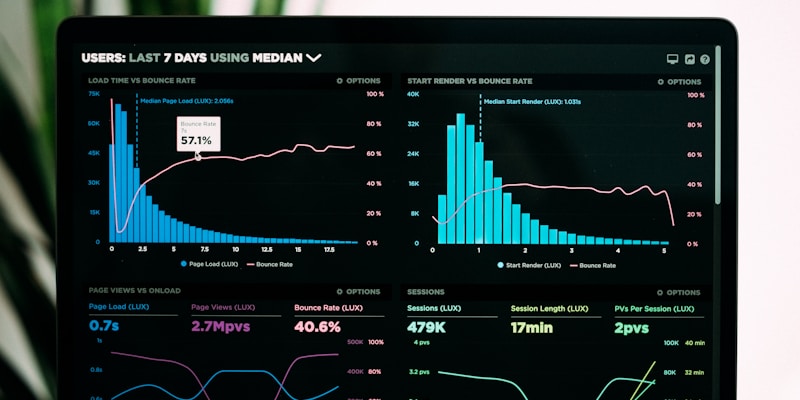
Mobile app development Los Angeles firms have established distinctive approaches to weather application architecture, drawing from the region's experience with diverse extreme weather including wildfires, earthquakes, floods, and heat waves.
Data Aggregation Pipelines
Weather applications ingest data from diverse sources updated at different cadences:
- • Government meteorological agencies (NOAA, Météo-France)
- • Satellite imagery from meteorological satellites
- • Radar networks detecting precipitation
- • Personal weather stations (hyperlocal)
- • IoT sensors from vehicles and smart homes
- • Social media for crowd-sourced verification
Machine Learning & Forecast Generation
Modern weather applications layer ML algorithms atop physics-based numerical weather prediction:
- Ensemble approaches combining multiple forecasting methods
- Bias correction based on historical performance
- Nowcasting for very short-term (0-2 hour) prediction
- Specialized models for lightning, flooding, and severe storms
Alert & Notification Systems
Critical functionality during dangerous weather requires robust architecture:
- Redundancy across multiple notification channels
- Geofencing for precise location-based warnings
- Progressive escalation as threats materialize
- Quiet hours override for genuine emergencies
Offline Functionality Requirements
Weather emergencies often coincide with infrastructure failures. Applications must cache sufficient forecast data for 12-24 hours of offline operation, implement intelligent refresh prioritizing critical updates, and provide core functionality without constant connectivity. During Paris power outages, this offline capability proved invaluable.
The Future of Weather Intelligence: Climate Adaptation Through Mobile Technology
Weather applications in 2026 and beyond will evolve from reactive information tools toward proactive climate adaptation platforms helping individuals, communities, and organizations build resilience.
Predictive Climate Risk
Applications will integrate climate model outputs showing probable conditions months or years ahead, enabling agricultural planning, construction scheduling, and event organization with environmental context.
Personalized Health Recommendations
Weather forecasts combined with individual health profiles will generate customized guidance: warning respiratory condition sufferers about poor air quality, alerting elderly users about dangerous heat.
Automated Home Response
Smart home integration will enable automatic protective actions: closing storm shutters, adjusting HVAC systems, activating flood barriers, and shutting off water mains before freezing temperatures.
Community Resilience Coordination
Applications will facilitate collective climate adaptation: connecting neighbors during emergencies, organizing community response, sharing resources, and creating mutual aid networks.
Conclusion: Los Angeles Weather App Expertise Addresses Global Climate Challenges
The mobile app development Los Angeles ecosystem has emerged as a global leader in weather intelligence applications through unique combinations of technical sophistication, design excellence, crisis communication expertise, and practical experience managing diverse extreme weather common to California. As climate change intensifies weather volatility globally, exemplified by the devastating Paris events of 2026, the sophisticated meteorological applications developed in Los Angeles provide essential tools helping populations adapt to increasingly dangerous environmental conditions.
Mobile app developers Los Angeles bring distinctive capabilities including entertainment industry expertise in compelling visual presentation, aerospace and defense sector experience in safety-critical systems, IoT development skills connecting distributed sensor networks, and practical extreme weather experience from California's fires, earthquakes, floods, and heat waves.
App maintenance and support for weather applications requires sustained commitment to accuracy, reliability, and continuous improvement as climate patterns evolve and extreme weather events reveal system limitations. Real estate app development integrating climate risk assessment represents one of many sectors where weather intelligence creates business value beyond immediate forecast utility.
For organizations seeking to develop weather intelligence capabilities, whether standalone meteorological applications, climate risk integration into sector-specific platforms, or IoT systems incorporating environmental awareness, partnering with experienced Los Angeles development teams provides access to concentrated expertise, proven architectures, and practical experience that few other regions can match.
Related Articles
Mobile App Development Cost Guide
Complete breakdown of app development costs in Los Angeles
IoT App Development
Building connected device ecosystems and sensor networks
Real Estate App Development
PropTech solutions and property platform development
Mobile App Design Services
UX/UI design for mobile applications
Top Mobile App Developers
How to choose the right development partner
Financial App Development
Building fintech and banking applications
Ready to Build Climate-Intelligent Applications?
Partner with Los Angeles' leading mobile development team to create weather intelligence platforms, climate risk integrations, and IoT environmental monitoring solutions.
Schedule Your Consultation